

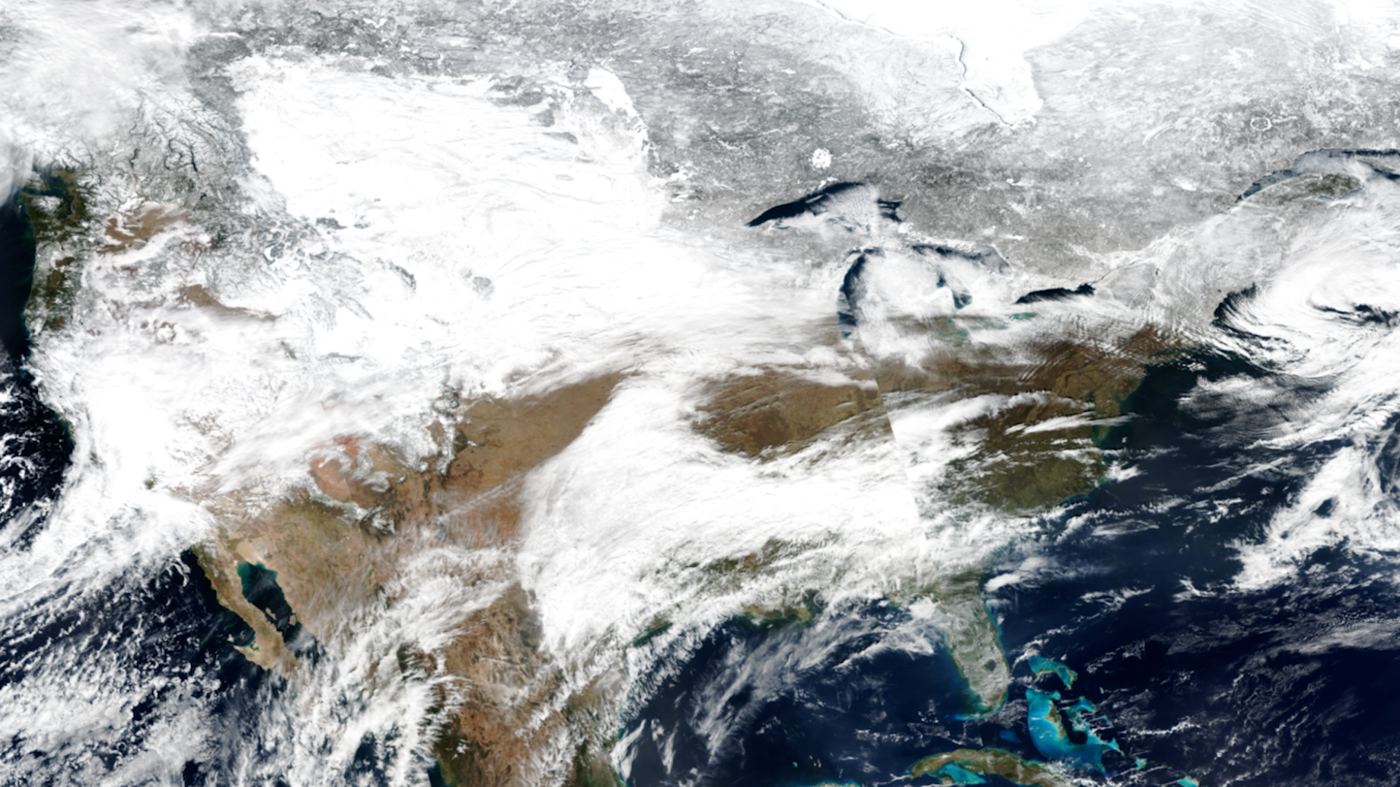
The most cost-effective technology in disaster policy does not appear in photographs of the aftermath. It arrives days earlier, as a forecast, a siren, a text message, a mosque loudspeaker announcing that the river is coming. Early warning systems, the chain from satellite to sensor to last-mile alert, have been quietly compiling one of the great humanitarian success records of the modern era: in country after country, deaths from comparable storms have fallen by orders of magnitude as warnings improved.
The arithmetic is not subtle. A warning that arrives 24 hours early lets a family move livestock, documents and grandparents; a warning that arrives an hour early lets them move only themselves. The global goal, formalised in the United Nations’ Early Warnings for All initiative, is to close the coverage gap under which roughly a third of humanity still lives effectively unwarned. We track the build-out in our science coverage, where the last mile of the chain turns out to be the hardest engineering of all.
The chain is only as strong as its last link
Forecasting skill is no longer the bottleneck in most places; satellites see the storm, models track it, and agencies issue the bulletin. The failures concentrate downstream: warnings in the wrong language, alerts that arrive as data a fishing village cannot act on, sirens unmaintained, and the oldest problem of all, people who hear the warning and reasonably hesitate, because last time nothing happened and the house cannot be left unguarded.
The economics are not close
The benefit-cost arithmetic of early warning is among the most lopsided in public policy. Studies by the Global Commission on Adaptation estimated that a day’s warning of a coming storm or heatwave can cut the ensuing damage by roughly a third, and that the systems paying for that day cost a small fraction of the losses they retire. Few investments available to a finance ministry offer a comparable return with human life as the dividend.
The gap between that arithmetic and current coverage is therefore not a knowledge problem. It is the familiar queue of competing budgets, thin meteorological services and last-mile logistics in the places that need them most. The initiative’s deadline politics, coverage for everyone within this decade, is an attempt to move warning systems from the charity column of budgets to the infrastructure column, where the arithmetic belongs.
Trust is infrastructure
The systems that work treat trust as a component: local volunteers who verify and relay, drills in the quiet season, warnings worded as instructions rather than information, and feedback after every event. The World Meteorological Organization has documented how Bangladesh, once synonymous with cyclone catastrophe, cut storm deaths from hundreds of thousands to dozens across five decades of exactly this unglamorous accumulation.
Insurance pays after the loss. Early warning pays before it, in the only currency that cannot be replaced. The wonder is not that the world is building these systems, but that it took the loss statistics so long to make the argument irresistible.
