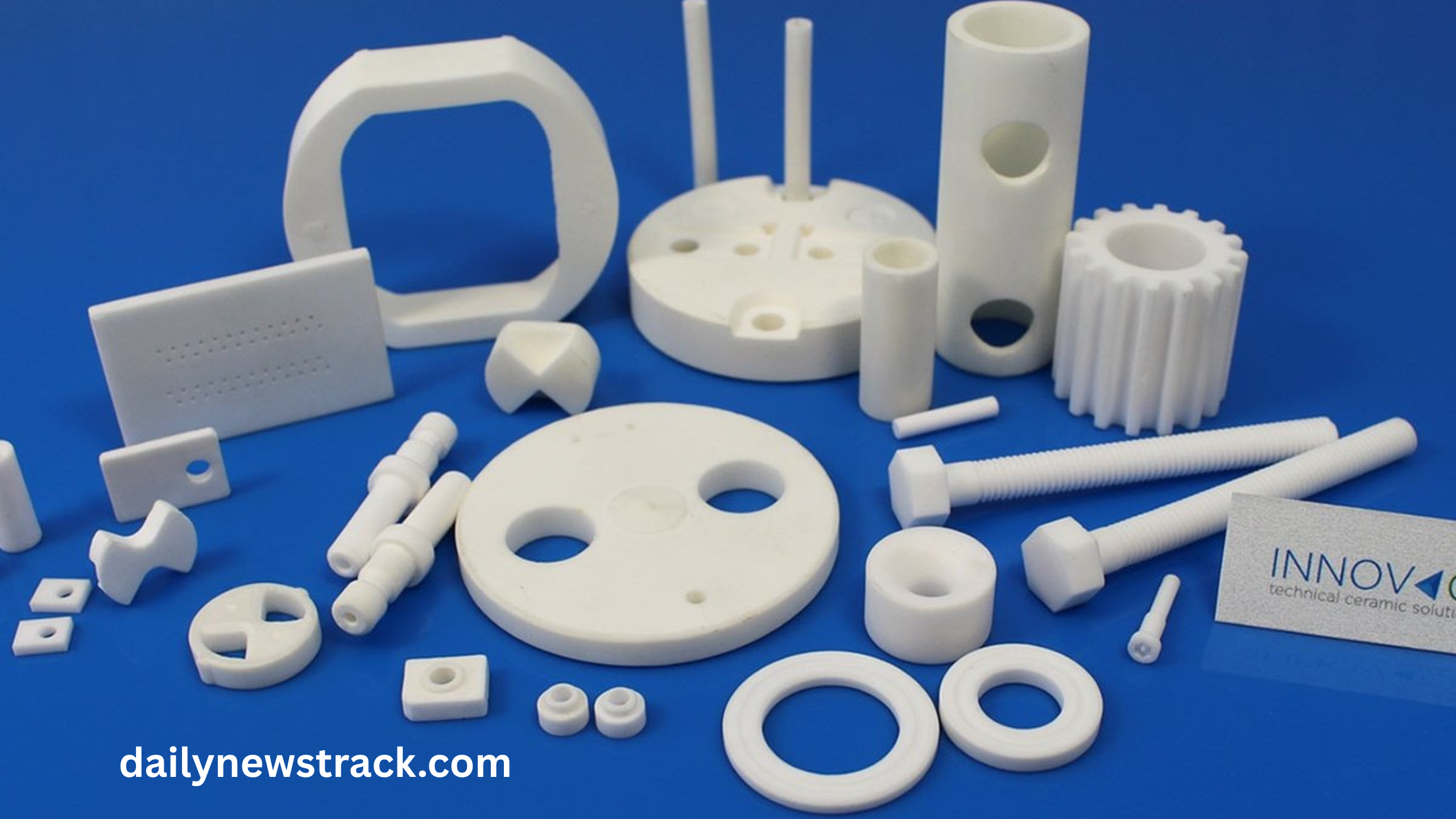
In today’s fast-paced world of materials engineering and industrial design, the evolution of ceramics from traditional household products to high-tech applications marks a major transformation. Ceramics, once limited to pottery and tiles, are now integral in sectors such as aerospace, automotive, electronics, healthcare, and renewable energy. At the forefront of this revolution stands Sodiceram, a company that has become synonymous with advanced ceramic innovation, material excellence, and sustainable solutions. This article explores Sodiceram’s journey, innovations, industry impact, and vision for the future.
The Origins of Sodiceram
A Legacy Built on Quality
Sodiceram was founded with a vision: to transform how ceramics are perceived and utilized across industries. Originating in a region with a rich history in ceramic craftsmanship, the company combined local artisanal expertise with cutting-edge technology. Its commitment to precision, durability, and design flexibility helped it emerge as a trusted brand in the ceramics market.
Evolution Into a Tech-Driven Enterprise
While many ceramic companies remained focused on traditional products, Sodiceram saw an opportunity in specialized industrial ceramics. The transition from traditional to technical ceramics was driven by research investments, strategic collaborations with research institutions, and recruitment of top engineering talent. The result was a robust pipeline of high-performance ceramic products tailored for complex applications.
What Makes Sodiceram Stand Out?
Advanced Material Science
Sodiceram leverages a diverse portfolio of ceramic materials, including:
- Alumina (Al2O3) for its high thermal stability and electrical insulation.
- Zirconia (ZrO2) known for superior toughness and wear resistance.
- Silicon Nitride (Si3N4) offering excellent thermal shock resistance.
- Cordierite and other composite ceramics that provide lightweight, high-strength solutions.
The company’s materials R&D division continually innovates to develop customized ceramic formulations that meet evolving market demands.
Engineering Precision and Customization
A defining trait of Sodiceram’s products is their engineering-grade precision. Using CNC machining, 3D modeling, and automated quality control, the company ensures every product meets stringent tolerances required by its industrial clients. From aerospace components to medical implants, Sodiceram delivers ceramics that can withstand extreme environments while maintaining mechanical integrity.
Sustainability and Eco-Conscious Design
Sodiceram’s commitment to sustainability is reflected in both its production practices and product design. Its factories incorporate:
- Closed-loop water systems
- Energy-efficient kilns
- Low-emission raw material sourcing
Sodiceram also participates in EU-funded environmental initiatives to reduce the carbon footprint of ceramic production.
Applications Across Industries
Aerospace and Defense
Sodiceram’s high-performance ceramics are used in:
- Thermal shields
- Armor plating
- Insulators for jet engines
Their lightweight, high-strength properties make them ideal for mission-critical aerospace applications.
Automotive and Transportation
Sodiceram provides parts for electric vehicles (EVs), such as:
- Battery enclosures
- Brake pads
- Sensor housings
Their ceramics are corrosion-resistant, lightweight, and help reduce vehicle weight to enhance fuel efficiency.
Electronics and Semiconductors
Ceramic substrates from Sodiceram are used in:
- Microelectronics
- LED lighting
- Power modules
These ceramics offer excellent electrical insulation and thermal conductivity, essential for high-frequency devices.
Healthcare and Biotechnology
Medical-grade ceramics manufactured by Sodiceram include:
- Dental crowns
- Hip and knee implants
- Surgical tools
These products are biocompatible, durable, and support high-precision surgical procedures.
Renewable Energy and Environment
Sodiceram contributes to sustainable energy sectors with:
- Solar panel ceramic frames
- Insulators for wind turbines
- Fuel cell components
Ceramics help improve the efficiency and lifespan of green technologies.
R&D as a Cornerstone
Collaborative Innovation
Sodiceram has research partnerships with universities and global R&D institutions. These collaborations support:
- Development of next-generation materials
- Exploration of nanostructured ceramics
- Integration of AI in ceramic design
Digital Twin and Simulation
The company uses digital twin modeling to simulate product performance under real-world conditions. This ensures minimal material waste, reduced prototyping time, and optimized performance.
Patents and Proprietary Technologies
Sodiceram holds numerous patents in areas like:
- Ceramic-metal bonding techniques
- Rapid sintering processes
- Porous ceramic filtration systems
These give Sodiceram a competitive edge in high-demand industries.
Global Footprint and Manufacturing Excellence
Smart Manufacturing
Sodiceram’s factories are equipped with:
- Industry 4.0 automation
- Real-time monitoring systems
- AI-powered predictive maintenance
This ensures consistent quality and scalability.
International Expansion
With production facilities and distribution centers in Europe, Asia, and the Middle East, Sodiceram serves over 80 countries. Its localized service and global reach make it a preferred partner for multinational companies.
Supply Chain Resilience
The company has built a resilient, diversified supply chain to avoid disruptions. This includes:
- Multi-sourced raw materials
- Local supplier networks
- Agile logistics platforms
Sodiceram’s Sustainability Vision
Circular Economy Initiatives
Sodiceram champions recyclable ceramic components, closed-loop manufacturing, and partnerships that promote end-of-life product recovery.
ESG Commitments
The company aligns its operations with Environmental, Social, and Governance (ESG) principles, ensuring:
- Ethical labor practices
- Community investment
- Climate-resilient business strategies
Challenges and Opportunities Ahead
Overcoming Market Volatility
Global demand for ceramics can fluctuate with economic shifts, but Sodiceram’s diversified portfolio helps it stay resilient.
Addressing Raw Material Scarcity
The company is investing in:
- Alternative raw material research
- Material recycling programs
- Domestic sourcing strategies
Scaling Innovation in a Competitive Market
Sodiceram faces competition from Chinese and German ceramic producers. However, its specialization in high-value applications, proprietary R&D, and customer-centric customization help it retain market leadership.
Customer-Centric Approach
Customized Solutions
Sodiceram offers co-design services for customers in need of tailored ceramic components. This collaborative model ensures better fit, performance, and integration into customer workflows.
Technical Support
Clients benefit from:
- 24/7 technical assistance
- Prototyping labs
- On-site training and installation
Long-Term Partnerships
Sodiceram doesn’t just sell products — it builds long-term relationships that foster innovation and shared success.
The Future of Ceramics and Sodiceram’s Role
The future of ceramics is bright, especially with emerging trends such as:
- Additive manufacturing (3D-printed ceramics)
- Smart ceramics embedded with sensors
- Hybrid materials combining metals and ceramics
Sodiceram is investing in all three areas and aims to become a global pioneer in intelligent ceramic systems. Their vision includes ceramics that are not just passive materials but active components in smart devices, medical implants, and energy networks.
Frequently Asked Questions
What is Sodiceram?
Sodiceram is a global company specializing in the design, production, and innovation of advanced ceramic materials for industrial, medical, and technological applications.
What industries does Sodiceram serve?
Sodiceram serves multiple industries including aerospace, automotive, electronics, healthcare, renewable energy, and defense.
What types of ceramic materials does Sodiceram use?
Sodiceram works with high-performance ceramics like alumina (Al₂O₃), zirconia (ZrO₂), silicon nitride (Si₃N₄), cordierite, and proprietary composite ceramics.
How does Sodiceram innovate in ceramic technology?
Sodiceram invests in R&D, partners with universities, holds proprietary patents, and uses AI, simulation, and digital twin technologies to innovate new materials and designs.
Is Sodiceram committed to sustainability?
Yes. Sodiceram adopts eco-friendly practices like closed-loop water systems, energy-efficient kilns, recyclable materials, and supports circular economy initiatives.
Does Sodiceram offer customized ceramic solutions?
Absolutely. Sodiceram works closely with clients to develop tailored solutions that meet specific technical and performance requirements.
Where are Sodiceram’s manufacturing facilities located?
Sodiceram operates globally with production sites and distribution centers in Europe, Asia, and the Middle East, serving clients in over 80 countries.
What are the benefits of using Sodiceram’s ceramic products?
Sodiceram’s products offer high durability, thermal and chemical resistance, lightweight strength, biocompatibility (for medical use), and outstanding precision.
Does Sodiceram support digital manufacturing?
Yes. Sodiceram integrates Industry 4.0 technologies like automation, real-time monitoring, and predictive maintenance in its smart manufacturing processes.
How can I contact Sodiceram for collaboration or technical inquiries?
You can reach Sodiceram through their official website’s contact form, customer support email, or by connecting with one of their regional offices.
Conclusion
Sodiceram has redefined what ceramics can do. From industrial strength to medical precision, the company’s innovative solutions are reshaping industries. Its dedication to research, sustainability, customization, and global quality has secured its position as a leader in advanced ceramic technologies.