In the coming days, French unions and employers are set to engage in crucial negotiations concerning the nation’s pension system. These discussions are pivotal as they aim to address the sustainability and fairness of the pension framework, which has been a subject of intense debate and protest in recent years.
Background of the Pension Reform
The French pension system has long been a cornerstone of the country’s social model, offering relatively generous provisions compared to other European nations. However, demographic shifts, including an aging population, have placed significant strain on the system. In response, the government proposed reforms aimed at ensuring the system’s financial sustainability.
A central aspect of these reforms was the decision to raise the retirement age from 62 to 64. This move was met with widespread opposition from various unions and political parties, leading to a series of protests and strikes across the country. Despite the government’s assertion that the reforms were necessary to prevent a projected pension deficit, critics argued that they disproportionately affected workers and retirees.
The Role of Unions and Employers
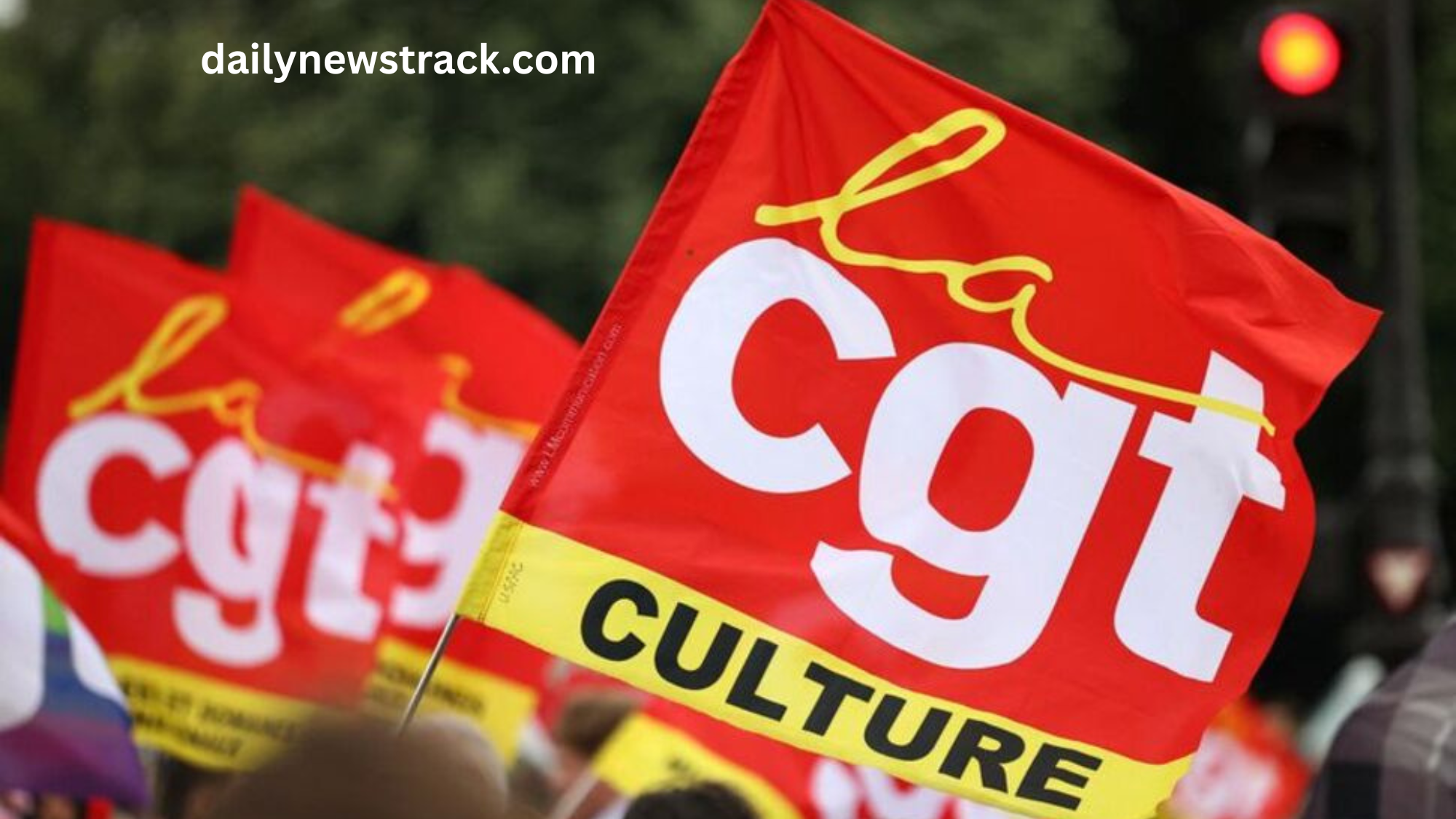
Unions have been at the forefront of the resistance against the pension reforms. Organizations such as the General Confederation of Labour (CGT) and the French Democratic Confederation of Labour (CFDT) have mobilized workers through strikes, demonstrations, and other forms of protest. Their primary concerns include the adequacy of pensions, the fairness of the contribution system, and the social implications of raising the retirement age.
Employers, represented by various business federations, have expressed concerns about the financial implications of the proposed changes. While some acknowledge the need for reform, they caution against measures that could lead to increased payroll contributions or other costs that might affect business competitiveness.
Upcoming Negotiations
The forthcoming negotiations between unions and employers are seen as a critical opportunity to find common ground. Prime Minister François Bayrou has emphasized the need for dialogue with social partners to ensure that the pension system remains financially viable without compromising social equity.
These talks are expected to focus on several key issues:
- Retirement Age: While the government has already raised the retirement age, unions continue to advocate for its reduction, arguing that many workers, especially those in physically demanding jobs, are unable to work longer.
- Contribution Period: The requirement to contribute for 43 years to receive a full pension is another point of contention. Unions argue that this disproportionately affects individuals with interrupted careers, such as women and those in precarious employment.
- Pension Adequacy: Ensuring that pensions provide a decent standard of living for retirees is a fundamental concern. Discussions may revolve around mechanisms to index pensions to inflation and measures to protect the most vulnerable retirees.
- Financial Sustainability: Employers and the government are likely to focus on ensuring that the pension system remains financially sustainable in the long term. This may involve exploring alternative funding mechanisms or adjusting the balance between contributions and benefits.
Public Sentiment and Political Climate
Public opinion remains divided on the pension reforms. While some support the need for changes to ensure the system’s sustainability, others view the reforms as unfair and detrimental to workers’ rights. The government’s handling of the issue has also been a point of contention, with critics accusing it of bypassing democratic processes to push through unpopular measures.
Politically, the situation is complex. The government’s centrist bloc, along with the center-right Republicans, generally supports the pension reforms. However, left-wing parties, including the Socialist Party and France Unbowed, continue to oppose the changes and have called for their reversal. The far-right National Rally has also expressed concerns, particularly regarding the impact on older workers.
Potential Outcomes
The outcome of the upcoming negotiations will have significant implications for the future of France’s pension system. A successful agreement could lead to a more balanced and equitable system that addresses the concerns of both workers and employers. Conversely, failure to reach a consensus could result in renewed protests and political instability.
In conclusion, the forthcoming pension talks represent a critical juncture in France’s efforts to reform its social security system. The ability to balance financial sustainability with social equity will determine the success of these reforms and the future of the nation’s pension system.
Frequently Asked Questions
What is the main issue in the French pension reform talks?
The central issue is reforming the national pension system to ensure its long-term financial sustainability. This includes discussions on raising the retirement age, adjusting contribution periods, and ensuring pension adequacy for retirees.
Why are French unions opposing the pension reform?
Unions argue that raising the retirement age and extending the contribution period disproportionately affect workers, especially those in physically demanding jobs or with interrupted careers. They also express concern about pension adequacy and social inequality.
Who is involved in the negotiations?
Major labor unions such as CGT and CFDT are participating, along with employer organizations and representatives from the government, including the Prime Minister. Business groups are also involved in voicing concerns about the cost implications for employers.
What changes has the government proposed?
The government has proposed increasing the retirement age and the required contribution period. It also aims to make the system financially viable by balancing benefits and contributions, possibly through new funding mechanisms.
How has the public responded to the reforms?
Public opinion is deeply divided. Some support the reforms as necessary for economic sustainability, while others view them as unfair. There have been large-scale protests and strikes across the country in response to the proposed changes.
What are the unions asking for in these talks?
Unions want a lower retirement age, more flexibility for workers in tough jobs, and guarantees for pension adequacy. They also advocate for a more equitable contribution system that doesn’t penalize workers with non-linear career paths.
What is the employers’ stance on the reform?
Employers generally support the need for reform but are cautious about any measures that could increase labor costs, such as higher employer contributions. They want to ensure that changes support economic growth and do not hurt competitiveness.
Could the talks reverse the reforms already passed?
While it is unlikely that already enacted laws will be reversed, these negotiations could lead to adjustments or the introduction of compensatory measures aimed at addressing union concerns and improving social fairness.
What happens if the negotiations fail?
If the negotiations fail, there could be a resurgence of nationwide strikes and protests. Political instability may also increase, putting additional pressure on the government to revisit its reform strategy.
Conclusion
The final round of pension negotiations between French unions and employers marks a pivotal moment in the country’s ongoing social debate. At stake is not only the structure of the retirement system but also the broader question of how France balances economic sustainability with social equity.