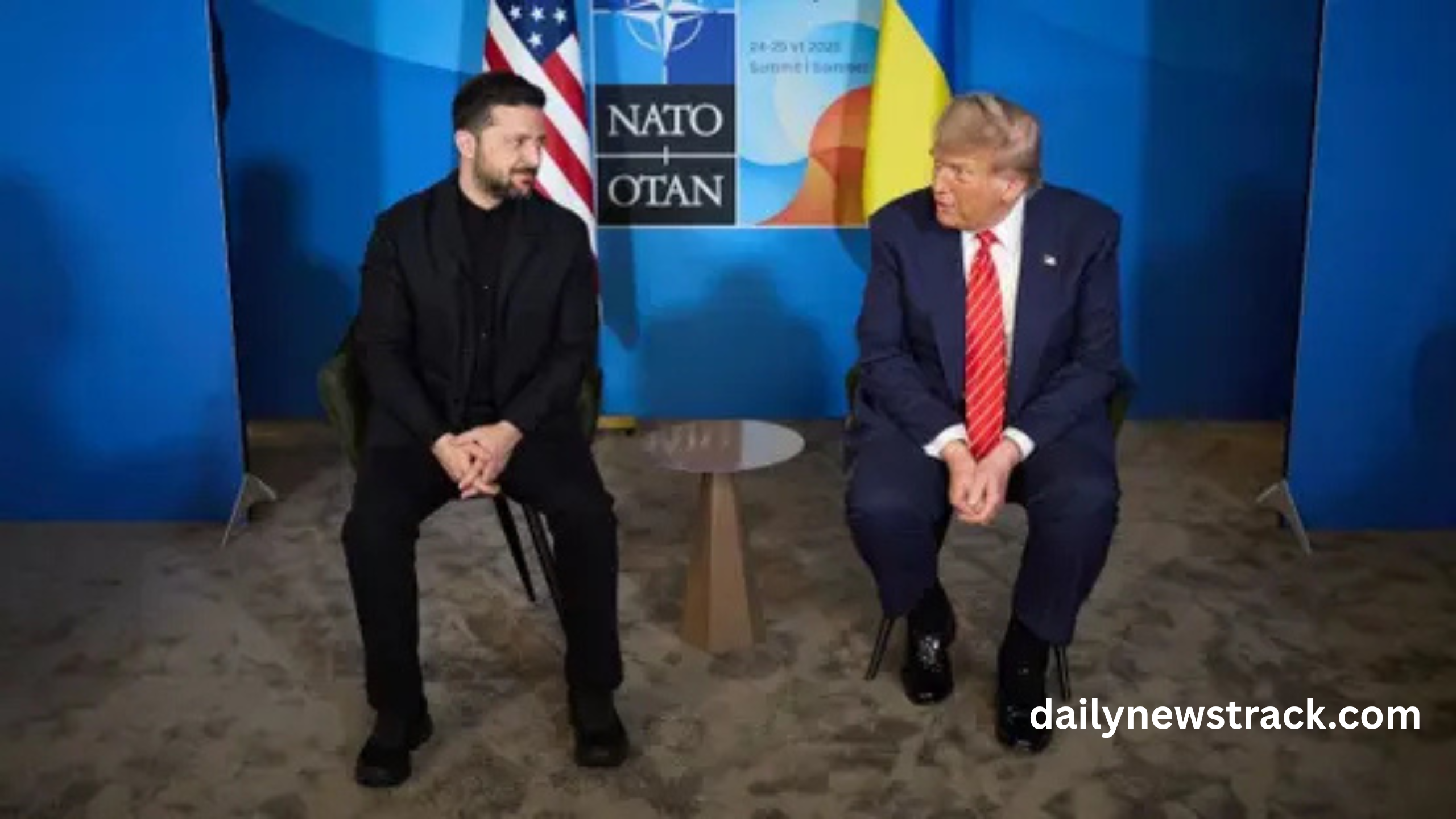
In a world fraught with geopolitical tensions and shifting alliances, few relationships have drawn as much global focus as that between the United States and Ukraine. With Russia’s ongoing war against Ukraine entering a prolonged phase, American military assistance has played a crucial role in enabling Ukrainian resistance. Now, a new chapter may be opening as former President Donald Trump and President Volodymyr Zelenskyy are expected to engage in a high-level call to discuss the possibility of pausing U.S. weapons deliveries to Ukraine.
This article delves into the political backdrop, historical significance, strategic calculations, domestic and global reactions, and what this pivotal conversation might mean for the future of U.S.-Ukraine relations. As Trump positions himself for a potential return to the presidency and Zelenskyy continues to seek international support against Russian aggression, their discussion is set to reverberate far beyond a diplomatic phone line.
The Political Backdrop
The relationship between Trump and Zelenskyy is historically complicated. Their last high-profile interaction in 2019 sparked a major political controversy that led to Trump’s first impeachment. At the center was Trump’s request that Zelenskyy investigate political rival Joe Biden and his son, Hunter. That episode left a lingering shadow over U.S.-Ukraine relations during the Trump administration.
Now, with Trump eyeing a political comeback, his foreign policy priorities are once again under the microscope. Trump’s “America First” approach has often included skepticism toward foreign military aid, especially when it concerns entanglements that don’t directly benefit the United States. Pausing military aid to Ukraine fits that ideological narrative, and this potential shift is alarming to many within the U.S. foreign policy establishment.
For Zelenskyy, the stakes couldn’t be higher. Continued Western military support has been essential for Ukraine’s battlefield resilience and long-term survival. A pause—or reduction—in American arms shipments would represent a significant blow, both militarily and symbolically.
Strategic Significance of U.S. Military Aid
Military assistance from the U.S. has included advanced weapons systems, long-range artillery, air defense equipment, and critical intelligence. This support has enabled Ukraine to maintain pressure against Russian forces, especially in contested regions like Donetsk, Kherson, and Zaporizhzhia.
A sudden halt in this supply chain would disrupt operations and embolden Russian advances. The Ukrainian military is deeply dependent on Western ammunition and precision-guided munitions. Without these tools, Ukrainian forces may face significant disadvantages on the frontlines.
Furthermore, American military aid carries diplomatic weight. It signals to Russia and the broader international community that the U.S. stands firmly with democratic nations under threat. A pause, even if temporary, could undermine that message.
What Might Be Discussed
While official details remain undisclosed, the topics likely to surface during the Trump-Zelenskyy call include:
- Trump’s views on the current level of U.S. military involvement in Ukraine
- The costs of continued support to American taxpayers
- Ukraine’s strategic roadmap for the remainder of the conflict
- Transparency in how military aid is being used
- Possible alternatives, such as peace negotiations or third-party mediation
Zelenskyy will undoubtedly argue for the continuation of support, emphasizing Ukraine’s role in defending democratic values and containing Russian aggression. Trump, in turn, may emphasize domestic priorities, fiscal responsibility, and a potential pivot toward negotiations.
Domestic Political Implications in the U.S.
The call comes amid a deeply polarized political climate in the U.S., where views on Ukraine aid fall largely along party lines. While many Democrats and establishment Republicans support continued military assistance, a growing faction within the GOP, aligned with Trump, is calling for a reassessment.
This conversation between Trump and Zelenskyy will also be viewed through the lens of the 2024 U.S. presidential race. Trump’s critics argue that his potential policy shifts could destabilize Eastern Europe, while supporters claim he seeks a quicker, more pragmatic resolution to the war.
Public opinion is shifting as well. Recent polls show a decline in bipartisan support for sending military aid abroad, especially as domestic concerns like inflation, healthcare, and immigration dominate headlines.
International Reactions and Concerns
Across Europe, news of the upcoming Trump-Zelenskyy call has generated anxiety. Nations like Poland, Germany, and the Baltic states worry that a decrease in U.S. commitment could fracture the united Western front against Russian aggression.
NATO allies are watching closely. If the U.S. steps back, they may be forced to increase their own military and financial support, a move that could strain national budgets and internal politics.
Russia, on the other hand, is likely to see the conversation as a potential opportunity. Kremlin officials have consistently framed Western aid as provocative and harmful to peace efforts. A pause in U.S. arms deliveries would be celebrated in Moscow as a strategic win.
China, too, is observing. As it continues to build its influence in global affairs, Beijing is keen to see whether Western resolve can be broken or weakened, which could set a precedent for future conflicts over Taiwan or other contested regions.
Ukraine’s Response and Strategic Adaptation
Ukraine has already begun adjusting to the possibility of fluctuating Western support. Diversifying sources of military aid, improving domestic arms production, and lobbying European partners more aggressively are among the steps being taken.
Zelenskyy’s administration has also launched campaigns aimed at convincing the American public and lawmakers of Ukraine’s just cause. These include public appeals, social media messaging, and interviews on major U.S. news outlets.
Behind the scenes, Ukrainian officials are working to strengthen logistical supply chains and reduce waste or corruption, ensuring that every piece of aid is accounted for and used effectively. These moves aim to satisfy critics demanding more transparency and efficiency.
Could the Pause Lead to a Peace Deal?
Some analysts believe that a pause in military aid may serve as a catalyst for renewed peace negotiations. Trump has suggested he could “end the war in 24 hours” if reelected—although he has yet to present a concrete plan.
For peace talks to be viable, however, both Ukraine and Russia would need to make significant concessions, something that seems unlikely in the near term. Ukraine continues to demand a return to its 1991 borders, while Russia refuses to give up control of annexed territories.
The risk is that a premature halt in military support could force Ukraine to the negotiating table from a position of weakness, potentially leading to a deal that fails to secure long-term stability or justice for Ukrainian citizens.
The Larger Message: U.S. Foreign Policy Identity
This potential shift in U.S. arms deliveries goes beyond Ukraine—it strikes at the heart of America’s identity as a global leader. The decision to support or withhold aid sends a clear message about the country’s values, alliances, and strategic priorities.
If the U.S. begins to disengage from major international conflicts, it could embolden authoritarian regimes, fracture existing alliances, and erode global norms established after World War II. Critics argue that American withdrawal risks creating a vacuum that adversaries like Russia, China, and Iran will eagerly fill.
Supporters of a more restrained foreign policy argue the opposite—that endless wars and open-ended commitments drain American resources and distract from more pressing domestic challenges.
Public Sentiment in Ukraine and the U.S.
Ukrainians, who have shown remarkable resilience under siege, are watching the situation closely. Many fear that U.S. political shifts could lead to a reduction in critical aid, complicating their fight for survival.
In the U.S., views are more mixed. Some Americans express fatigue over continued foreign entanglements, especially when economic conditions at home are uncertain. Others believe that standing with Ukraine is both a moral imperative and a strategic necessity.
The call between Trump and Zelenskyy could influence these perceptions, depending on how both leaders present their messages publicly after the discussion.
Frequently Asked Questions
What is the main reason for the Trump-Zelenskyy call?
The primary reason is to discuss the potential pause in U.S. weapons deliveries to Ukraine, especially in light of Trump’s evolving foreign policy stance.
Why would the U.S. pause arms deliveries to Ukraine?
A pause could reflect domestic political pressure to reduce spending on foreign wars, or a broader strategy to encourage peace negotiations.
How critical is U.S. military aid to Ukraine?
It is extremely critical. U.S. weapons, ammunition, and intelligence are vital for Ukraine’s battlefield capabilities.
What are the risks of pausing U.S. arms shipments?
The main risks include weakening Ukraine’s defense, emboldening Russia, and undermining Western unity.
Could this call impact the 2024 U.S. election?
Yes. Trump’s stance on Ukraine is a key issue, and this call may clarify his policy direction for voters.
What does Ukraine hope to achieve from this call?
Ukraine seeks reassurance of continued support and an opportunity to explain the importance of American aid directly to Trump.
How is the international community reacting?
NATO allies are concerned, Russia is hopeful, and other global powers like China are watching closely for signs of U.S. policy shifts.
Will this lead to peace talks?
It’s possible, but unlikely in the short term unless both sides are willing to compromise significantly.
Conclusion
The upcoming call between Donald Trump and Volodymyr Zelenskyy represents more than just a diplomatic formality—it is a moment of strategic and symbolic importance. What is said, and what is decided, could shape the trajectory of the Russia-Ukraine war, influence the 2024 U.S. presidential election, and redefine America’s role in global affairs.