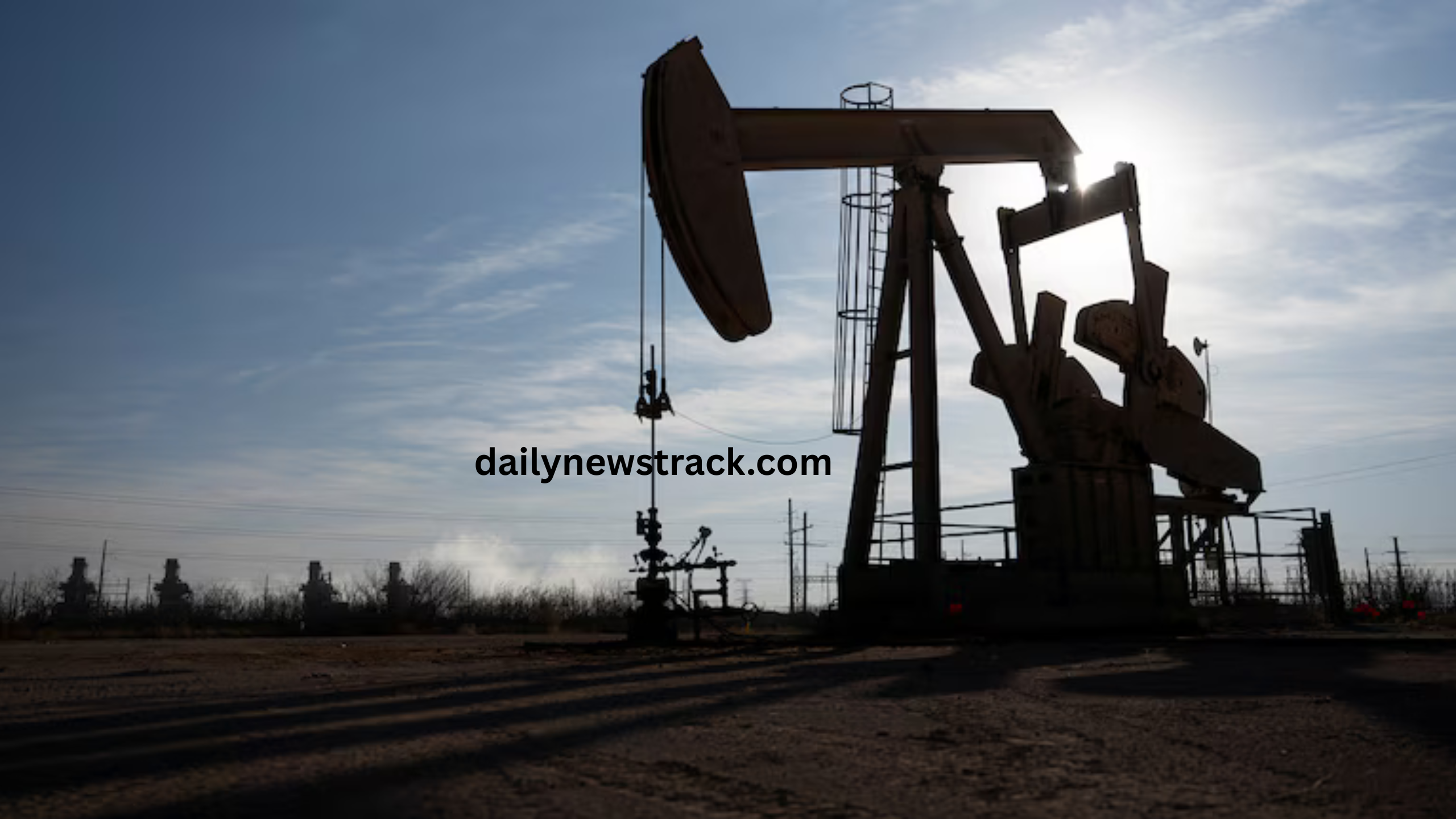
Global financial markets have once again found themselves at the mercy of geopolitical instability. This time, the growing tensions surrounding Iran have triggered a distinct and powerful response from investors. Equities have seen broad declines across continents, while oil prices are climbing steadily. These simultaneous market movements reflect the deep unease among global investors as they attempt to price in the risks of escalation in the Middle East.
At the heart of the turmoil lies the multifaceted relationship between Iran and global powers. With diplomatic relations deteriorating, military threats increasing, and energy corridors under scrutiny, the world watches with bated breath. Every statement, troop movement, or shift in diplomatic tone carries weight in financial markets. In this environment of uncertainty, the behavior of investors becomes increasingly reactive and defensive.
This article explores the economic, political, and historical factors driving the market’s reaction to the Iran situation. We’ll also examine the implications for oil markets, investor psychology during geopolitical crises, and how businesses and governments are bracing for the fallout.
Iran’s Strategic Importance in the Global Economy
Iran holds a critical position on the global stage—not just because of its size or population, but because of its natural resources and geographic location. It is a leading oil producer and exporter, possessing one of the world’s largest reserves of both oil and natural gas. However, beyond resources, its control over the Strait of Hormuz amplifies its strategic leverage.
The Strait of Hormuz is a narrow maritime passage connecting the Persian Gulf with the Gulf of Oman and the Arabian Sea. It serves as the primary route for oil exports from Gulf countries. Any disruption in this region can send shockwaves through the global energy market, and Iran is acutely aware of its power in this regard.
With increasing tensions, Iran has threatened to block or disrupt shipping in the strait. This possibility, though not new, has taken on renewed urgency. Oil tankers navigating the narrow waters are being watched closely, and insurance premiums for maritime shipping have already increased.
Meanwhile, Iran’s alliances and proxy relationships in the region, particularly in Lebanon, Syria, Iraq, and Yemen, add layers of complexity. These entanglements often become flashpoints, drawing in foreign military responses and igniting broader fears of war. For markets, such complexity translates into unpredictability—a condition that undermines stability and discourages risk-taking.
Why Are Shares Falling? Investor Sentiment Under Strain
Global equity markets thrive on confidence. When investors are optimistic about growth, profits, and peace, they are more willing to invest in riskier assets like stocks. When confidence falters, capital moves out of equities and into perceived safe havens such as gold, U.S. Treasury bonds, or the U.S. dollar.
The rise in Iran-related tensions has created a perfect storm for equity markets. Investors fear that a wider conflict could derail economic recovery in fragile regions, disrupt trade routes, and lead to a surge in inflation due to rising energy prices. Central banks, already walking a tightrope between inflation control and economic stimulation, could be forced into difficult decisions.
Stock markets in Europe, Asia, and North America have posted declines over several trading sessions. Energy-intensive sectors—like manufacturing, airlines, and transportation—have been hit the hardest due to fears of rising input costs. Technology stocks, often considered sensitive to investor sentiment, have also seen a dip as portfolios are rebalanced.
Furthermore, uncertainty about the U.S. Federal Reserve’s next move adds to investor anxiety. If oil prices rise too rapidly, central banks may feel compelled to raise interest rates to curb inflation, potentially slowing economic growth.
Oil Prices Climb: Supply Fears Take Center Stage
While equities are falling, oil prices are moving in the opposite direction. The market’s logic is straightforward: if tensions in Iran escalate and conflict arises—especially involving the Strait of Hormuz—then global oil supplies may be disrupted. This would lead to a scarcity in the market, pushing prices up.
Crude oil benchmarks like Brent and WTI have posted consistent gains in recent sessions. Energy analysts are revisiting price forecasts, with some suggesting that a continued standoff or military engagement could push oil above previous highs.
Energy traders are also keeping an eye on inventories. If tensions result in sanctions, military disruption, or reduced production, countries reliant on Iranian oil may be forced to seek alternative supplies. This added pressure on oil-producing nations could further strain the global supply-demand balance.
The oil price surge also reflects pre-emptive buying. Traders are hedging against potential disruptions by locking in supply contracts now, before prices rise further. This behavior, though logical in uncertain times, can itself drive volatility higher.
The Geopolitical Web: Tensions Beyond Borders
Iran’s conflict with the West cannot be seen in isolation. The Middle East is a densely interconnected region, and any spark can ignite broader conflict. In recent weeks, neighboring countries have increased their military readiness. International navies have been deployed to patrol vulnerable waters. Civil aviation authorities have issued new flight advisories, re-routing air traffic around potential danger zones.
Israel, Saudi Arabia, the UAE, and other regional powers are watching events closely. Several of these nations view Iran’s influence with suspicion and have previously supported strategic countermeasures. Any military action—whether deliberate or accidental—could pull these actors into the fray, creating a cascading geopolitical crisis.
In Washington, London, and Brussels, political leaders are debating their responses. Some advocate for renewed diplomacy, while others push for stronger sanctions and containment strategies. These decisions, though made in government chambers, have direct implications for global financial markets.
Investor Behavior in Times of Crisis
History has shown that during periods of extreme geopolitical uncertainty, investors often adopt a risk-off strategy. This means reducing exposure to volatile assets and rotating into safe investments. In the current environment, this shift is clearly visible.
Demand for gold has increased sharply. The precious metal, often seen as a hedge against uncertainty and inflation, is drawing significant attention. Likewise, U.S. Treasury bonds are experiencing a surge in demand, which has pushed yields downward. Even cryptocurrencies, which some investors now view as digital stores of value, have seen brief rallies.
Hedge funds and institutional investors are particularly active during such times. Algorithms that monitor news headlines, satellite data, and military deployments are triggering sell-offs and reallocations within milliseconds. Meanwhile, retail investors—many of whom entered markets in recent years—are facing their first major geopolitical scare and are responding with caution.
Historical Parallels: Lessons from the Past
This isn’t the first time markets have responded to Iran-related tensions. Historical patterns offer valuable insights into how different assets behave during crises.
The tanker wars of the 1980s, the U.S.-Iran hostage crisis, the U.S. withdrawal from the Iran nuclear deal, and even the assassination of General Qassem Soleimani in recent years—all triggered temporary but notable market reactions. Oil prices soared. Defense stocks rallied. Emerging markets suffered. Currency markets fluctuated.
Yet in most cases, unless war broke out, markets found a way to stabilize. Investors adapted, priced in the risks, and resumed normal trading once uncertainty subsided.
Still, today’s scenario feels different. The global economy is more interconnected. Energy markets are tighter. Geopolitical alliances are shifting. And investor sentiment, already frayed by inflation and post-pandemic pressures, is more fragile.
Sectors Impacted: Winners and Losers
Not all sectors are suffering. While most equities are down, certain industries are benefiting from the turmoil.
Defense contractors are seeing gains, as governments begin to anticipate increased military spending. Cybersecurity firms are also attracting attention amid fears of cyber retaliation. Energy companies, especially those outside the Middle East, are positioned to benefit from higher oil prices.
On the other hand, transportation, aviation, tourism, and manufacturing are under strain. Airlines face higher fuel costs. Manufacturers worry about supply chain disruptions. Retailers brace for reduced consumer spending if inflation rises again.
Banks and financial institutions face a mixed picture. Higher interest rates might improve margins, but market volatility and reduced borrowing could hurt earnings. Tech stocks, which had enjoyed strong growth recently, are now facing valuation pressure amid fears of economic slowdown.
Policy Responses: What Are Governments Doing?
Global governments and central banks are closely monitoring the situation. Their actions—or inactions—will play a crucial role in market outcomes.
U.S. policymakers have emphasized the importance of diplomacy but have also reiterated their readiness to respond militarily if needed. Sanctions are being considered, alongside efforts to rally allies for a unified approach.
European leaders are divided. Some support a hardline stance, while others advocate for a negotiated return to the Iran nuclear deal. In Asia, countries like China and India, which rely heavily on Middle Eastern oil, are urging restraint.
Central banks face a dilemma. Rising oil prices can fuel inflation, just as many economies were beginning to enjoy relief. Will they hike rates again, risking recession? Or will they hold steady and risk another inflationary surge?
Energy Security: A Global Reckoning
The current crisis has reignited global conversations around energy security. Many countries are reassessing their dependence on oil from volatile regions. Some are accelerating investments in renewable energy and domestic oil production.
Europe, already in the midst of a transition away from Russian energy, is looking at alternative sources. The U.S. is tapping strategic reserves and promoting domestic drilling. Asian nations are considering stockpile increases and diversified sourcing.
Energy independence is no longer just an environmental goal—it’s now a national security imperative.
What Should Investors Do? Strategies for Uncertain Times
In such volatile conditions, investors are advised to remain calm but cautious. Diversification becomes more critical than ever. Allocating a portion of portfolios to commodities, defense stocks, or fixed-income assets can hedge against geopolitical shocks.
Short-term trading should be approached with caution, as headlines can move markets unpredictably. Long-term investors may use this period to identify undervalued opportunities or strengthen positions in resilient sectors.
Financial advisors recommend reviewing risk tolerance and investment horizons. Emotional decisions can lead to regret, especially when driven by fear.
Frequently Asked Question
What caused the recent dip in global stock markets?
The recent decline in global stock markets is primarily due to growing geopolitical tensions involving Iran. Investors are concerned that escalating conflict could impact global economic stability, trade, and energy supplies.
Why are oil prices rising amid the Iran crisis?
Oil prices are rising due to fears that tensions in the Middle East, particularly around Iran, could lead to disruptions in oil production or block shipping through the Strait of Hormuz—a critical global energy route.
How does the Strait of Hormuz impact global oil markets?
The Strait of Hormuz is a vital passage for global oil shipments. A significant portion of the world’s oil exports pass through this narrow channel. Any military conflict or blockage there could severely disrupt supply and spike oil prices.
Which sectors are most affected by the current tensions?
Sectors like aviation, manufacturing, transportation, and retail are facing downward pressure due to rising costs and reduced consumer confidence. Meanwhile, defense, energy, and gold-related stocks are performing better.
How are investors reacting to the situation?
Investors are moving away from risky assets like stocks and reallocating capital into safer options such as gold, U.S. Treasury bonds, and commodities. Market volatility has increased as a result.
Is this situation similar to previous geopolitical events?
Yes, markets have previously reacted similarly to events involving Iran, such as the tanker wars or military escalations. Oil prices tend to rise, stocks fall, and investor sentiment becomes more cautious during such times.
Can central banks help stabilize markets?
Central banks can adjust interest rates or provide liquidity to support financial markets. However, their options may be limited if rising oil prices trigger inflation, leaving them in a tough spot between fighting inflation and supporting growth.
What should long-term investors do?
Long-term investors are advised to stay diversified, avoid emotional decisions, and focus on sectors with resilience during geopolitical uncertainty. Consulting financial advisors and reviewing risk tolerance is recommended.
Will this crisis affect energy policy worldwide?
Yes. The situation has renewed urgency around energy security. Many countries are re-evaluating their oil import dependencies and may accelerate the transition to renewable or domestically sourced energy.
Is there a chance for diplomatic resolution?
While tensions are high, diplomatic efforts are ongoing. Many nations are calling for calm and negotiation. A peaceful resolution is still possible and would likely restore stability to markets.
Conclusion
As the standoff with Iran continues, global markets remain on edge. Falling share prices and rising oil costs reflect a fundamental truth—uncertainty is poison to investor confidence. While history shows that markets often recover, the path ahead depends on decisions made in global capitals, not corporate boardrooms.