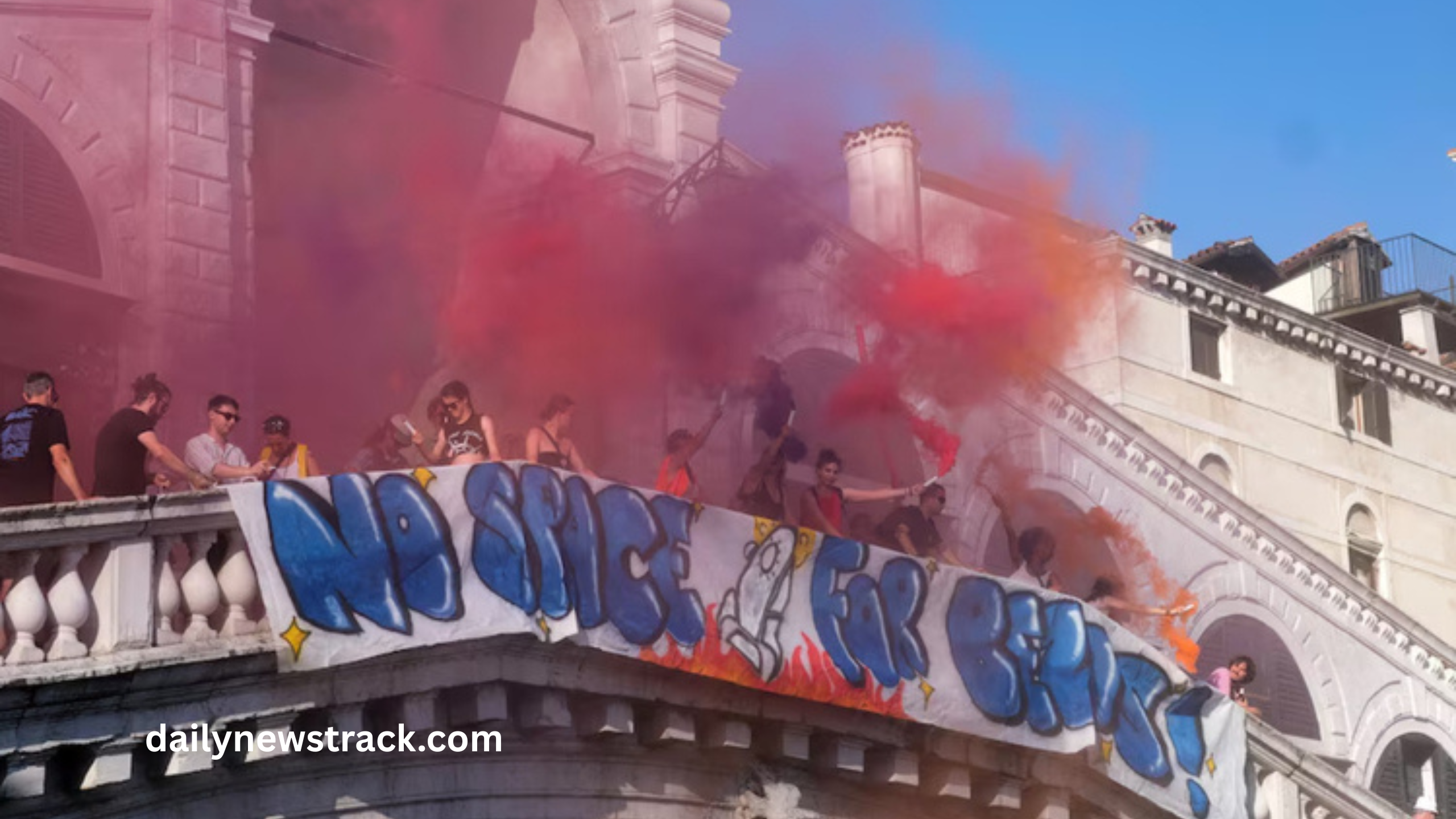
In recent weeks, the historic city of Venice has once again found itself at the center of global attention — not for its scenic canals or renaissance architecture, but due to widespread protests targeting Amazon founder Jeff Bezos. Citizens have taken to the streets to express deep-seated frustrations about the impact of mass tourism, gentrification, and the rising cost of living — issues many feel are being exacerbated by the presence and actions of the ultra-wealthy. At the heart of this unrest is a visit by Bezos, which many Venetians see not just as symbolic, but as emblematic of broader systemic problems.
This article delves into the motivations behind the protests, the socio-economic pressures facing Venice’s residents, the broader implications of billionaire tourism, and the future of urban activism in iconic global cities like Venice.
A City Under Pressure
Venice, known as “La Serenissima,” has long captivated the world with its unique charm. Yet beneath the postcard-perfect façade lies a city grappling with numerous existential threats.
Depopulation
The number of full-time residents has steadily declined, creating a community increasingly overshadowed by tourism.
Rising Costs
Housing prices have surged as short-term rentals dominate the market, making it harder for locals to afford to live in their own city.
Economic Disparities
The local economy increasingly favors tourism, marginalizing traditional crafts, community businesses, and essential services.
These conditions have created a sense of alienation among Venetians. Many feel that their city is no longer their own — a sentiment that found a tangible focus in the arrival of Jeff Bezos.
Why Bezos?
On the surface, Jeff Bezos’ visit to Venice was part of a luxurious holiday aboard his superyacht “Koru.” However, for many locals, this visit was not just a harmless vacation — it symbolized the excesses of extreme wealth and its disruptive impact on public life.
The Superyacht Controversy
Bezos’ vessel, reportedly worth hundreds of millions, anchored near Venice, a move seen by many as tone-deaf amid the city’s struggles. The presence of such a large private yacht further fueled debates about privilege, access to public spaces, and environmental impacts.
Symbol of Global Inequality
To protestors, Bezos represents a growing global class divide. As one of the richest individuals in the world, his presence in a city battling affordability crises and tourist overcrowding is seen as rubbing salt in an already open wound.
Local Voices
Protesters carried banners and chanted slogans that emphasized their opposition to the commodification of their city. “Venice is not for sale” was a common refrain, reflecting resistance against what many see as a takeover of the city by wealthy outsiders.
The Role of Tourism in Venice’s Crisis
Venice has always depended heavily on tourism. But in recent decades, this reliance has turned problematic.
Overtourism
Millions of tourists visit Venice each year, often arriving via massive cruise ships. These visitors strain the city’s infrastructure, overwhelm public services, and dilute the quality of life for residents.
Short-Term Rentals and Housing Crunch
The rise of platforms like Airbnb has led to a surge in short-term rentals, pushing out long-term residents and reducing the availability of affordable housing. As more buildings are converted into tourist lodgings, the city becomes less livable for its permanent population.
Economic Imbalance
With so much of the city’s economy geared toward tourism, traditional jobs and industries have vanished. Artisans, fishermen, and small shopkeepers are struggling to survive, replaced by souvenir vendors and global luxury brands.
Climate, Environment, and Responsibility
Beyond social and economic concerns, there are serious environmental implications tied to billionaire tourism and urban planning in Venice.
Rising Waters
Venice is particularly vulnerable to climate change and sea level rise. The city experiences regular flooding, and infrastructure to combat this remains limited or controversial.
Luxury Yachts and Pollution
Large vessels like Bezos’ yacht contribute to pollution in the lagoon, from both emissions and wave action that can damage the fragile ecosystem. Venetians are increasingly sensitive to these impacts, particularly when caused by visitors who don’t contribute meaningfully to local well-being.
Corporate Accountability
Bezos’ association with Amazon also brings broader critiques. Protesters linked their concerns to labor rights, tax avoidance, and environmental degradation associated with global commerce. In this view, his visit was not just about Venice, but about holding wealth accountable worldwide.
Cultural Erosion and Identity
Another major theme of the protests is the erosion of Venice’s cultural identity.
From Living City to Open-Air Museum
Many Venetians feel their city is being transformed into a theme park for global tourists. Local customs, dialects, and rhythms of life are being pushed aside in favor of commercial spectacle.
Alienation of Youth
Young people find it harder to stay in Venice due to lack of job opportunities and high living costs. Many leave, leading to an aging population and diminished community vibrancy.
Loss of Ownership
Venetians speak of a sense of powerlessness over their own environment. Public spaces, housing, and political decisions increasingly serve outside interests, while residents feel their voices are ignored.
Global Echoes: Venice as a Case Study
Venice is not alone. Other iconic cities like Barcelona, Amsterdam, and Dubrovnik are experiencing similar challenges. The protests in Venice resonate with global movements advocating for:
- Urban justice
- Affordable housing
- Sustainable tourism
- Democratization of public space
In this way, the targeting of Bezos is not just personal but symbolic — a stand against a global system that many see as valuing profit over people.
Government and Policy Response
The Italian government and local officials have taken some steps to address Venice’s challenges, but critics argue that progress is slow and insufficient.
Tourist Entry Fees
A new fee system has been proposed to manage daily visitors, but its effectiveness remains to be seen.
Cruise Ship Restrictions
Some cruise routes have been rerouted to protect the lagoon, though enforcement and loopholes continue to be issues.
Urban Revitalization Projects
There are initiatives to support local businesses and crafts, but these are often underfunded and face bureaucratic hurdles.
Citizen Involvement
Activists are calling for more direct democracy, including citizen-led planning processes and stronger tenant protections.
The Future of Venice
The protests targeting Jeff Bezos may be a moment in time, but they represent a larger turning point for Venice. Whether the city continues down the path of commodification or reclaims its identity as a vibrant, livable community depends on choices being made right now.
Balancing Tourism and Livability
Finding sustainable models that welcome visitors while preserving the integrity of local life is crucial.
Elevating Local Voices
Empowering Venetians to shape the future of their city is not just democratic — it’s essential for survival.
Rethinking Wealth and Access
The global conversation about wealth inequality and the responsibilities of the ultra-rich must include how their actions impact local communities.
Frequently Asked Question
Why are Venetians protesting Jeff Bezos?
Venetians are protesting Jeff Bezos as a symbol of the ultra-wealthy whose presence and actions they believe contribute to rising inequality, environmental harm, and the commodification of their city. His luxurious visit was seen as insensitive to the struggles of local residents.
What does Bezos have to do with Venice’s problems?
While Bezos is not directly responsible for Venice’s long-standing issues, his visit represents the broader influence of wealth on urban spaces. Protesters see his presence as a reflection of how global elites use cities like Venice as luxury playgrounds while locals face economic hardship and displacement.
How is mass tourism affecting Venice?
Mass tourism has overwhelmed the city’s infrastructure, driven up housing costs, and shifted the economy away from traditional industries. Residents struggle to find affordable homes and jobs as tourist-centered businesses dominate the city.
What is the controversy around Bezos’ superyacht?
Bezos’ superyacht, which docked near Venice, drew criticism for its size, environmental impact, and symbolic display of wealth. Locals argue such vessels harm the lagoon’s ecosystem and highlight growing inequality.
Is this the first time Venice has seen such protests?
No, Venice has a history of protests against overtourism, cruise ships, and government policies that favor outside interests. The protest against Bezos is part of a broader movement to reclaim the city for its residents.
What solutions are being proposed for Venice’s problems?
Solutions include limiting tourist numbers, enforcing restrictions on cruise ships and short-term rentals, investing in affordable housing, supporting local artisans, and involving citizens in urban planning decisions.
How are authorities responding to the protests?
Local and national governments have made some policy adjustments, such as introducing tourist entry fees and rerouting cruise ships. However, activists argue these measures are too slow or symbolic, lacking long-term impact.
What does Bezos say about the protests?
As of now, Jeff Bezos has not publicly responded to the Venice protests. The focus of the protest is less on him as an individual and more on what he represents.
Are other cities facing similar issues?
Yes, cities like Barcelona, Amsterdam, and Dubrovnik are also grappling with overtourism, housing crises, and displacement caused by short-term rentals and global real estate speculation.
What do protesters ultimately want?
Protesters want a Venice that serves its residents first — with sustainable tourism, fair housing policies, environmental protections, and a voice for locals in decision-making processes.
Conclusion
The demonstrations in Venice are not just about Jeff Bezos, nor are they simply about tourism. They reflect a deeper, more profound cry for justice, dignity, and belonging in a city under siege from globalization, commercialization, and neglect.