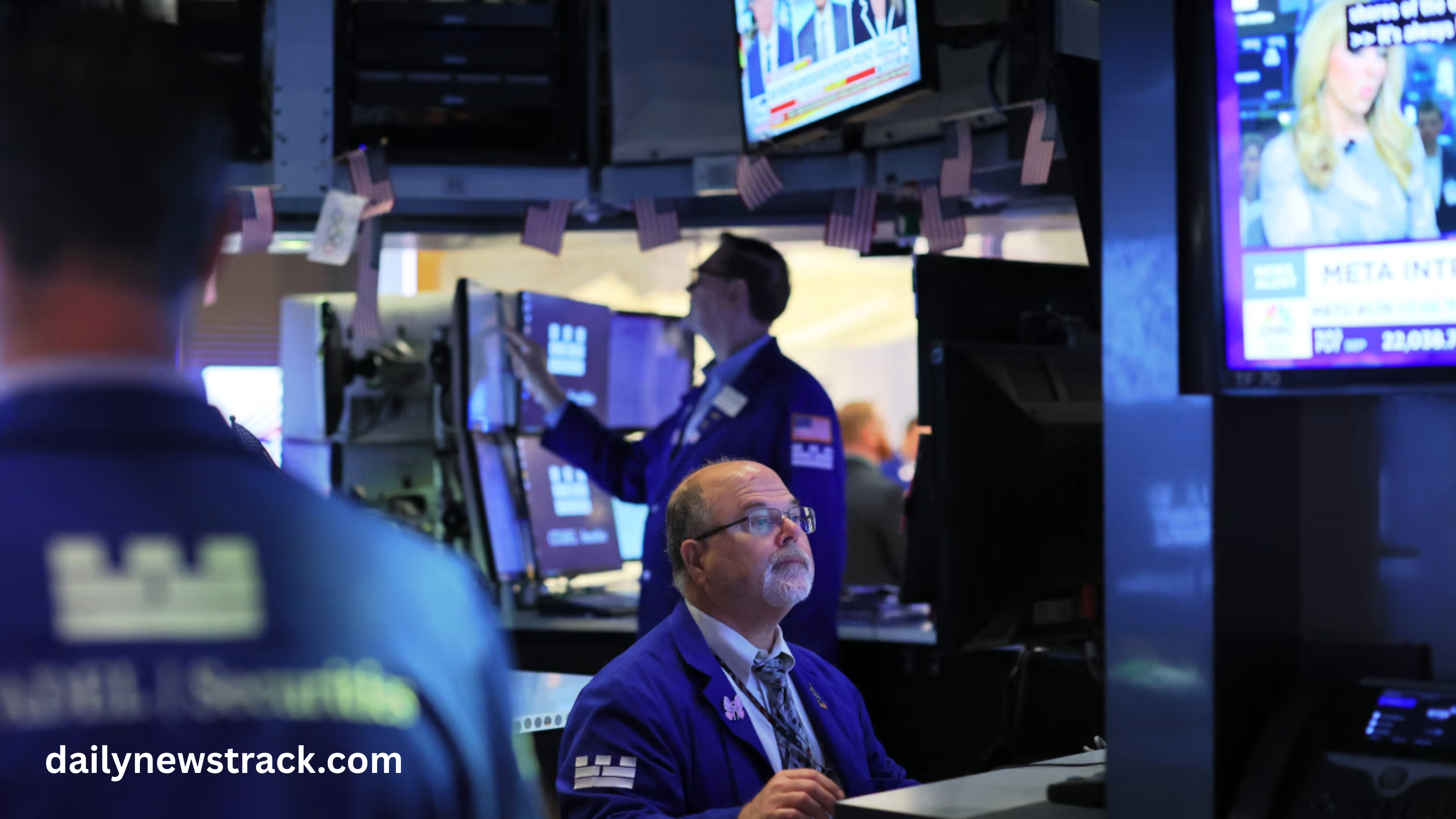
Financial markets often serve as reflections of global sentiment. Among the most sensitive indicators are Wall Street futures, which provide a glimpse into how investors expect markets to perform. Recently, these futures have taken a downward turn, triggered by escalating tensions in the Middle East. This article delves into the economic, political, and financial implications of the conflict and how it has rippled across global markets, especially Wall Street.
Understanding Wall Street Futures
What Are Futures?
Futures are financial contracts obligating the buyer to purchase, and the seller to sell, an asset at a predetermined future date and price. On Wall Street, futures typically reflect expectations of where major indices like the Dow Jones, S&P, or Nasdaq will open once markets resume.
Why They Matter
They provide insight into investor sentiment. If futures dip, it suggests that traders and investors are preparing for a potentially negative trading day. This can be due to a range of factors including earnings reports, interest rate decisions, or international crises such as military conflict.
The Psychological Element
Investors react not only to hard data but also to perception and fear. Futures allow traders to hedge against market uncertainty or take advantage of it. In the context of geopolitical tension, futures often fall due to rising fear, which outweighs data-driven optimism.
The Middle East Conflict: Context and Impact
History of Tension
The Middle East has long been plagued with political strife, driven by ideological differences, religious conflicts, and competition for natural resources. Regional conflicts involving countries like Israel, Iran, Syria, and others have had international ramifications for decades.
The Latest Escalation
This current round of violence may involve exchanges between key regional players. The exact parties involved vary, but the consequences are consistent: instability, humanitarian crises, and economic disruptions. For global investors, these events bring questions about energy prices, supply chains, and overall global safety.
International Response
World leaders have voiced concerns. Statements from the United Nations, diplomatic negotiations, and economic sanctions or incentives have surfaced. However, such conflicts often persist despite these efforts, which adds layers of uncertainty to global markets.
Market Sensitivity to Geopolitical Tension
Safe-Haven Assets Rise
When instability arises, investors traditionally move money out of equities and into assets considered safe, such as gold, U.S. Treasury bonds, and the Japanese yen. This phenomenon is driven by the desire to preserve capital during unpredictable times.
Volatility Metrics Spike
The volatility index, often referred to as the fear index, tends to increase during such periods. It reflects greater uncertainty and risk aversion. When geopolitical conflict flares, the markets become more volatile, reflecting swings in investor emotions and outlooks.
Historical Patterns
From previous wars in the Middle East to global terrorist events and oil embargoes, markets have reacted swiftly and, in some cases, violently. These instances show how sensitive financial systems are to military or political aggression.
Sector-Wise Market Reactions
Energy Sector
One of the first and most profoundly impacted sectors is energy. The Middle East is a major hub of oil production. Any threat to oilfields or shipping routes immediately causes price spikes. Higher oil prices can affect almost every industry, as transportation and manufacturing costs rise.
Defense Industry
Conversely, defense contractors often see gains during military conflicts. Increased government spending on arms and defense technology boosts these companies’ revenues and stock prices.
Travel and Tourism
These industries tend to suffer. As tensions rise, consumer confidence falls, and fewer people are willing to travel, especially internationally. Rising fuel costs also compound these issues for airlines.
Technology and Finance
High-growth sectors like tech and financials often see sharp corrections. Investors typically view them as more volatile and less “defensive” in nature, so they are quick to sell when markets look shaky.
Oil Prices and Global Trade
Supply Chain Concerns
The global economy relies heavily on oil. If a war or conflict disrupts shipping lanes or refineries, prices climb. This increases inflationary pressures worldwide and puts additional strain on already fragile supply chains.
Inflation and Consumer Costs
Higher oil prices mean higher transportation costs, which filter down into the price of goods. Food, clothing, and essentials become more expensive, further burdening consumers and pressuring central banks.
Trade Routes at Risk
The Middle East is home to several key maritime passages. Disruption to these can stall global shipping, delay imports, and affect trade balances for countries far removed from the conflict zone.
Federal Reserve and Central Bank Policy
Interest Rate Uncertainty
Geopolitical instability can complicate monetary policy. Central banks, like the Federal Reserve, must weigh inflation against the risk of a global downturn. If oil prices spike due to conflict, inflation may rise, but slowing economies might warrant rate cuts instead.
Economic Growth vs Stability
Policymakers find themselves in a difficult position. Boosting growth typically involves lowering interest rates, but if inflation is high due to rising oil and commodity prices, the usual playbook may not apply.
Policy Coordination
Major economies may collaborate to stabilize global financial systems. This could include coordinated interest rate decisions, currency support, or even emergency meetings among global financial leaders.
Investor Behavior and Strategy
Risk Management
Investors may shift portfolios to include more bonds, commodities, and dividend-paying stocks. The aim is to protect capital and avoid high-risk assets.
Hedging Strategies
Some traders employ futures contracts, options, or short-selling to protect or profit during volatile markets. This type of trading increases during uncertain times.
Diversification Importance
Diversification becomes a primary defense strategy. Investing in different sectors, asset classes, and geographies helps reduce exposure to any single point of failure—like a war affecting a specific region.
Global Markets React
Europe and Asia
Stock exchanges across Europe and Asia typically mirror movements in U.S. futures. As Wall Street futures fall, exchanges in London, Frankfurt, Tokyo, and Shanghai often open lower, spreading fear and triggering further selloffs.
Emerging Markets Pressure
Investors tend to pull money out of riskier emerging markets during geopolitical crises. These markets then face currency devaluation, rising yields, and inflation, further destabilizing them.
Commodities and Currencies
While equity markets fall, commodities like gold and oil rise. Currencies tied to energy exports may strengthen, while those from import-heavy nations weaken.
Media and Public Reaction
Investor Sentiment
Media coverage often exacerbates public fear, especially when graphic images and alarming headlines dominate the news cycle. This psychological pressure can lead to panic selling.
Public Behavior
Consumers may delay large purchases, hoard essentials, or shift their spending habits. This change in behavior impacts retail, automotive, and real estate sectors almost immediately.
Corporate Responses
Businesses may postpone expansions, hiring, or large-scale investments. Some may issue profit warnings or revise forecasts, further dampening market outlooks.
Opportunities Amid Crisis
Discounted Stocks
Some investors see market downturns as buying opportunities. Stocks of fundamentally strong companies may be available at a discount, setting the stage for long-term gains.
Defensive Sectors
Utilities, healthcare, and consumer staples often outperform during crises. These sectors provide essential goods and services, making them more resilient during downturns.
Technology Transformation
Although tech stocks may fall initially, the industry often innovates in response to challenges. Cybersecurity, cloud computing, and AI-driven risk analysis see rising demand during global instability.
Looking Ahead: Market Outlook
Short-Term Volatility
Markets will likely remain volatile in the near term. Investors should brace for sharp fluctuations as news emerges from the conflict zone.
Medium-Term Adjustments
Should the conflict escalate, central banks may need to intervene. Government stimulus, trade agreements, or peace treaties could provide some market relief.
Long-Term Considerations
History shows that while markets react sharply to conflict, they often recover once stability is restored. Long-term investors who maintain diversified portfolios usually weather the storm.
Frequently Asked Question
What causes Wall Street futures to drop?
Wall Street futures decline when investor sentiment turns negative due to factors like geopolitical tensions, economic data releases, or unexpected corporate developments.
How does the Middle East conflict affect oil prices?
Conflicts in the Middle East can disrupt oil production or transportation, leading to concerns over supply shortages and driving oil prices higher.
Why do investors move to safe-haven assets during war?
Safe-haven assets like gold and government bonds are considered more stable and less risky during uncertain times, making them attractive to investors seeking protection.
Can markets recover quickly after a conflict?
Market recovery depends on the length and intensity of the conflict. Some markets bounce back swiftly if resolution seems imminent, while others may experience prolonged recovery periods.
Which sectors are most affected by geopolitical conflict?
Energy, travel, defense, and technology sectors are typically the most sensitive to global instability, with energy and defense often seeing gains while others may face losses.
Is it a good time to invest during a market dip?
Market dips can present buying opportunities for long-term investors, but they also carry risk. It’s important to assess market conditions and seek professional advice when needed.
How do central banks react to such crises?
Central banks may adjust monetary policy, such as pausing interest rate hikes or providing liquidity, to stabilize markets during periods of heightened geopolitical risk.
Will inflation rise because of this conflict?
If the conflict leads to higher oil and commodity prices, inflation is likely to rise, impacting consumer spending and increasing pressure on policymakers.
How should an average investor react?
Maintaining a diversified portfolio, avoiding panic, and staying focused on long-term financial goals are key strategies during geopolitical uncertainty.
What’s the long-term impact on the global economy?
Long-term impacts depend on the duration and outcome of the conflict. While short-term volatility is expected, global markets typically adjust and stabilize over time.
Conclusion
Wall Street futures falling amid Middle East tensions is more than a headline—it’s a barometer of global uncertainty. From oil prices and inflation to sectoral impacts and policy shifts, the effects of such conflicts are wide-reaching. Yet, markets are adaptive, and history has shown resilience in the face of crisis.