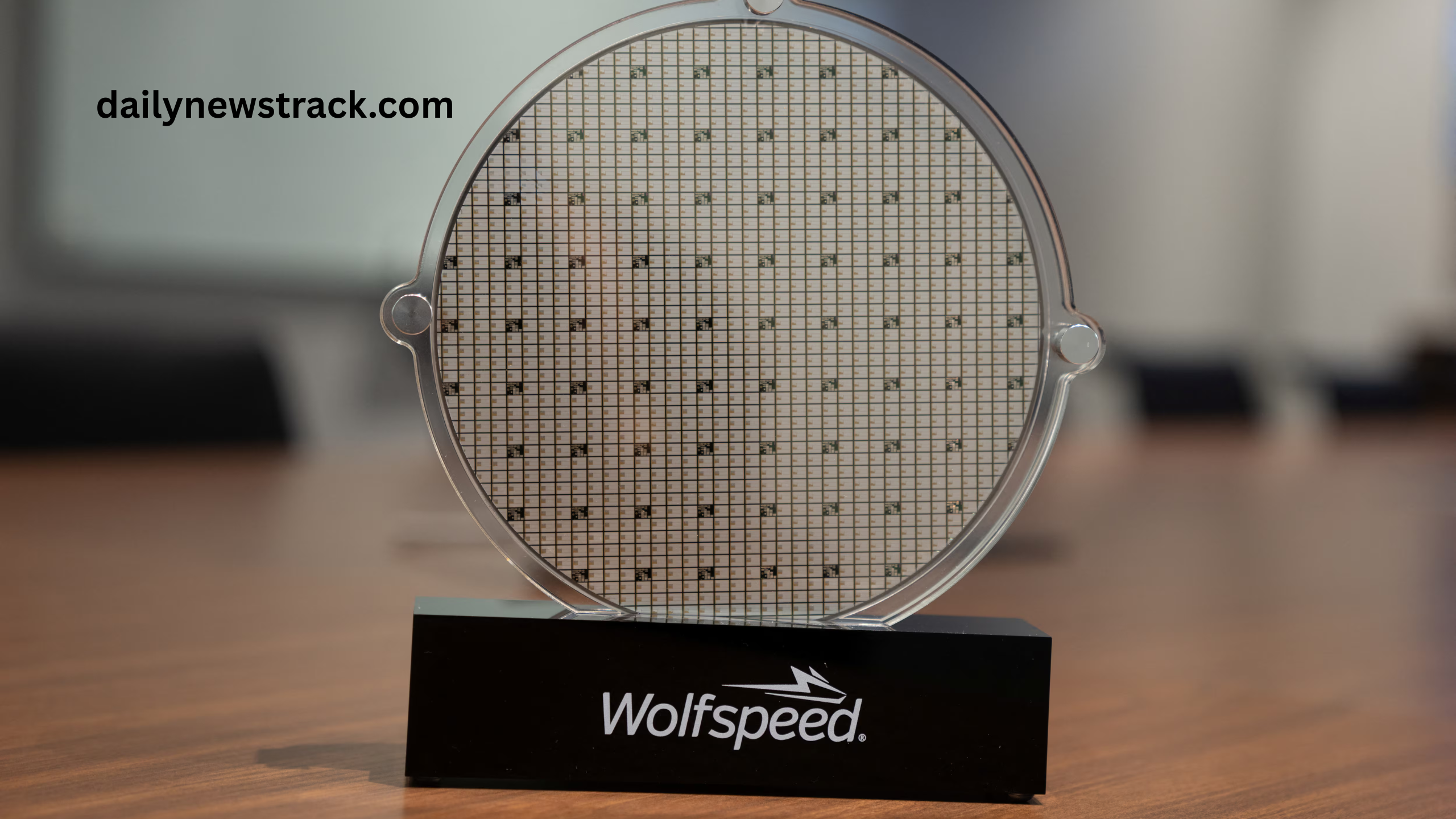
Wolfspeed, a prominent name in the semiconductor and power electronics sector, is reportedly preparing to file for bankruptcy in the United States following a restructuring agreement reached with its major creditors. This development marks a pivotal moment for the company, which has played a crucial role in producing silicon carbide (SiC) semiconductors used in electric vehicles (EVs), industrial power systems, and renewable energy platforms.
The bankruptcy plan, rather than signaling the end of Wolfspeed, is viewed as a strategic step toward financial reorganization and operational continuity. In this article, we will explore the background of Wolfspeed, the causes leading up to this financial decision, the terms of the deal with creditors, implications for stakeholders, and the broader significance within the semiconductor industry.
The Rise of Wolfspeed: A Brief Overview
Wolfspeed began as part of Cree, Inc., which transitioned over time into a pure-play silicon carbide and GaN (gallium nitride) semiconductor company. With its headquarters in North Carolina, Wolfspeed established itself as a leader in next-generation materials and devices that are more efficient, faster, and suitable for modern electronics and energy infrastructure.
The company hit several important milestones, evolving from a research-driven division into a global manufacturing powerhouse. Its focus on SiC and GaN technologies positioned it at the forefront of industries moving toward electrification and energy efficiency. Clients ranged from electric vehicle manufacturers to renewable energy developers and aerospace firms.
However, despite global recognition, Wolfspeed’s aggressive expansion came at a high cost. The company invested heavily in its manufacturing capacity, most notably through the construction of the Mohawk Valley Fab in New York, one of the largest silicon carbide production facilities in the world.
The Financial Strain Behind the Bankruptcy Filing
While Wolfspeed’s long-term vision was ambitious, the short-term financial reality grew increasingly unsustainable. Heavy capital expenditure, coupled with delayed returns, created a volatile cash flow situation.
One major challenge was the significant investment required to scale up silicon carbide production. These large projects required financing through debt, creating a capital structure that strained the company’s balance sheet. At the same time, macroeconomic headwinds such as inflation, supply chain disruptions, and rising interest rates eroded profitability.
Delays in fulfilling large supply contracts also meant that anticipated revenues were postponed, even as operating expenses remained high. Global competition added further pressure, especially from emerging players in Asia who were able to offer similar technology at lower costs.
Taken together, these factors contributed to an environment where bankruptcy protection became a viable option for restructuring the company’s finances without dismantling its core operations.
The Deal with Creditors: Terms and Objectives
Wolfspeed’s deal with its creditors is being described as a pre-packaged bankruptcy plan. This means that the terms have been largely negotiated in advance, making the court process quicker and more efficient.
The deal includes converting a portion of the company’s outstanding debt into equity. This reduces the total debt load and gives creditors a stake in the restructured company. In exchange, Wolfspeed gains the breathing room needed to stabilize its finances and continue operations.
An interim financing package is also part of the arrangement, ensuring the company has sufficient cash flow to maintain employee salaries, continue production, and meet other operational needs during the bankruptcy process. The company’s manufacturing plants, including those in North Carolina and New York, will remain open and functional.
A restructuring committee has been formed to oversee the process and ensure that creditor interests are balanced with the long-term viability of the company. These governance mechanisms aim to rebuild investor confidence and minimize market disruption.
Legal and Financial Implications of Chapter 11
Filing for Chapter 11 bankruptcy does not mean that Wolfspeed will cease to exist. Instead, it allows the company to reorganize its obligations while continuing operations. This legal framework is often used by companies that are fundamentally strong but are dealing with short-term financial stress.
One of the primary benefits of Chapter 11 is the “automatic stay,” which halts all collection activities and legal proceedings by creditors. This gives Wolfspeed the time and space needed to renegotiate contracts and reduce costs without being forced into liquidation.
In the proposed plan, creditors will receive equity in the newly restructured Wolfspeed, giving them a direct stake in the company’s future. This type of arrangement often leads to dilution of existing shareholders, but it can also provide a path to long-term stability and growth.
There will be scrutiny from bankruptcy courts, which must approve the reorganization plan and ensure that it complies with applicable laws and treats all classes of creditors fairly. Depending on the outcome, Wolfspeed may emerge as a leaner, more competitive entity.
Impact on Employees and Operations
The restructuring plan specifically aims to avoid job losses and maintain operational continuity. Employees are being assured that their jobs, benefits, and salaries are secure during the bankruptcy process.
Manufacturing will continue at Wolfspeed’s facilities, including its flagship Mohawk Valley Fab. Research and development projects are also expected to proceed, particularly those tied to contracts with EV manufacturers and power infrastructure companies.
This continuity is essential not just for employees but for customers and partners who rely on Wolfspeed’s technology. Many clients have long-term agreements in place, and maintaining production is vital for supply chain stability.
Market Reaction and Industry Implications
Wolfspeed’s bankruptcy filing has sent ripples through the semiconductor industry, especially among investors and suppliers in the SiC and GaN space. While some view the move as a red flag, others see it as a smart step that allows Wolfspeed to position itself for future growth.
Silicon carbide remains a crucial material in the transition to electric vehicles and renewable energy. Wolfspeed’s restructuring may ultimately allow it to capitalize on these growing markets more effectively. In the short term, however, competitors may gain an edge as Wolfspeed works through the reorganization process.
Stock prices of related firms have shown mixed responses, reflecting uncertainty about how the bankruptcy will play out. Some suppliers are reevaluating their exposure to Wolfspeed, while customers are seeking reassurances that their orders will be fulfilled without delay.
Future Outlook: Challenges and Opportunities
Wolfspeed’s future will depend heavily on how efficiently it can execute its restructuring plan. If successful, the company could emerge stronger and more focused, with a healthier balance sheet and more disciplined approach to growth.
There are several reasons for optimism. Wolfspeed holds key patents, has deep industry relationships, and remains a technological leader in silicon carbide semiconductors. Its long-term contracts with automotive and industrial clients provide a strong revenue foundation.
That said, challenges remain. The company will need to rebuild trust with investors, reassure clients and partners, and ensure that the restructured governance model delivers results. The competitive landscape will not pause while Wolfspeed reorganizes, so speed and execution are crucial.
If Wolfspeed can navigate this process successfully, it may not only survive but thrive in the coming decade.
Frequently Asked Question
Why is Wolfspeed filing for bankruptcy?
Wolfspeed is filing for Chapter 11 bankruptcy to restructure its debts and improve financial stability. The move comes after high capital expenditures, delayed revenues, and mounting debt made operations unsustainable under the current financial structure.
What type of bankruptcy is Wolfspeed filing for?
Wolfspeed is filing for Chapter 11 bankruptcy, which allows the company to reorganize its finances while continuing normal business operations.
Will Wolfspeed continue to operate during the bankruptcy process?
Yes, the company plans to maintain full operational continuity, including ongoing production at its manufacturing plants and fulfillment of client orders.
What is included in Wolfspeed’s deal with creditors?
The deal includes a debt-for-equity swap, interim financing to maintain operations, and oversight by a restructuring committee to ensure fair execution of the plan.
How will the bankruptcy affect Wolfspeed employees?
Employees are expected to retain their jobs, benefits, and salaries. The company has committed to avoiding layoffs during the restructuring process.
What does this mean for Wolfspeed’s customers and partners?
The company intends to honor all existing contracts and continue delivering products and services without interruption. Communication with partners is ongoing to maintain confidence.
Will shareholders be affected by the restructuring?
Yes, existing shareholders may see their stakes diluted due to the issuance of new equity to creditors as part of the restructuring plan.
How will Wolfspeed finance operations during bankruptcy?
An interim financing package has been arranged, providing the necessary liquidity to support operations, employee wages, and supplier payments during the restructuring phase.
Conclusion
Wolfspeed’s decision to file for Chapter 11 bankruptcy is a bold and strategic move aimed at resolving financial constraints while preserving operational strength. Through a carefully negotiated deal with creditors, the company seeks to reduce debt, maintain production, and position itself for future growth in a highly competitive industry.