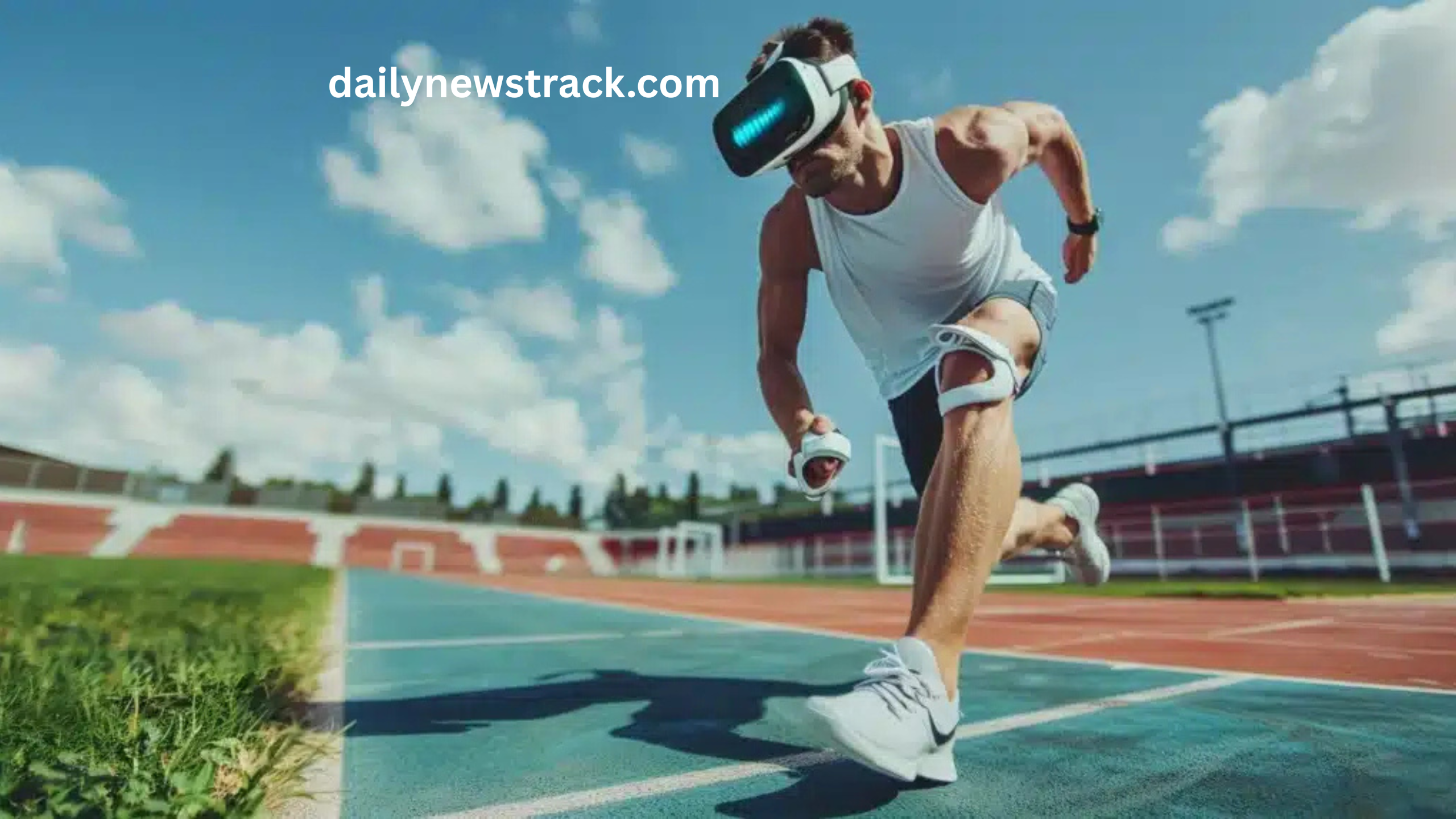
The world of sports has always been an arena where talent, perseverance, and strategy combine to create legends. But in recent years, the edge that separates the good from the great has increasingly come down to technology and innovation. From AI-powered wearables to virtual reality training modules, the future of sports training is being revolutionized at a rapid pace.
In this comprehensive exploration, we delve into the key trends and technologies reshaping athletic training, discuss their impacts across various sports, and examine how athletes, coaches, and organizations are adapting to stay ahead of the curve.
The Rise of Smart Wearables in Sports
What Are Smart Wearables?
Smart wearables are electronic devices integrated into clothing or worn as accessories that monitor, collect, and transmit data in real time. In sports, these devices help track an athlete’s performance, fatigue levels, heart rate, oxygen intake, and movement patterns.
Use in Training
- GPS-Enabled Trackers: Used in soccer, rugby, and American football to monitor distance covered, sprint frequency, and positioning.
- Heart Rate Monitors: Help coaches determine exertion levels during practice.
- EMG Sensors: Measure muscle activity, aiding injury prevention.
Data-Driven Coaching
With data collected from wearables, coaches can create personalized training plans, track recovery, and reduce injury risks. For example, many NBA teams use wearable tech to monitor players’ load and adjust practice intensity accordingly.
Artificial Intelligence and Machine Learning
Predictive Performance Analysis
AI algorithms can analyze past performance, biomechanics, and physiological data to predict an athlete’s potential and training needs. AI provides insights into injury risks, optimal recovery periods, and training load distribution.
Personalized Training Programs
Machine learning systems create customized plans based on an athlete’s progress. Whether it’s a sprinter adjusting stride patterns or a tennis player improving their serve, AI helps refine training goals and methods.
Video Analysis and Real-Time Feedback
AI-powered software analyzes game footage and practice sessions. This allows athletes and coaches to gain real-time feedback on technique, positioning, and strategy. Sports like cricket, baseball, and basketball use this to study opponents and fine-tune skills.
Virtual Reality (VR) and Augmented Reality (AR)
Enhancing Cognitive Training
Virtual reality immerses athletes in simulated environments, helping them visualize scenarios, make faster decisions, and practice in pressure situations without physical risk. This is particularly useful in quarterback training, goalkeeping, and combat sports.
AR in Tactical Training
Augmented reality overlays tactical data during training sessions. Coaches can project field diagrams, player movements, and decision trees, enabling athletes to understand spatial positioning and real-time strategies more effectively.
Rehabilitation and Recovery
VR is also used in physical therapy and mental recovery, offering distraction from pain and improving mobility in injured athletes. Interactive games make rehab more engaging and efficient.
Biomechanics and Motion Capture Technology
Advanced Performance Analysis
Motion capture systems record an athlete’s movement in three-dimensional space, allowing for detailed analysis of body mechanics. This technology is invaluable for refining techniques in gymnastics, swimming, golf, and sprinting.
Preventing Injuries
Biomechanical assessments help identify improper movements that may lead to injury. By correcting these movements early, athletes can train more efficiently and reduce the chances of long-term damage.
Real-Time Corrections
With sensors and motion-analysis tools, coaches can provide instant corrections, improving skill execution during live practice rather than waiting for post-training reviews.
Nutrition and Recovery Science
Smart Nutrition Tracking
Modern sports training includes detailed monitoring of diet, hydration, and supplement intake. Apps and smart devices track caloric burn, nutrient absorption, and suggest meal plans customized to individual metabolism.
Recovery Technology
From cryotherapy chambers and compression gear to percussive massage tools, the focus on recovery has become as important as training itself. Technology ensures athletes recover faster and return to peak performance sooner.
Sleep Monitoring
Smart mattresses and sleep trackers help monitor sleep quality and duration, which are crucial for muscle recovery, cognitive function, and injury prevention.
Esports and Neurotraining
Mental Training Tools
As mental resilience becomes more recognized, tools like neurofeedback devices, meditation apps, and cognitive training platforms are being introduced. These tools help enhance concentration, reaction time, and emotional control.
Brain-Computer Interfaces
Emerging innovations like brainwave-reading headsets allow athletes to visualize mental states, control stress, and reach ideal performance zones. It’s being adopted not just in esports but also in traditional sports.
Data Analytics and Cloud Integration
Centralized Athlete Management
Cloud-based platforms allow teams to store and analyze vast amounts of performance data, accessible from anywhere. This centralization supports long-term planning and talent development.
Scouting and Recruitment
Analytics are revolutionizing how athletes are recruited. Data-driven evaluations provide objective assessments of player potential, especially in sports like baseball, football, and cricket.
Genetic Testing and Personalized Programs
Understanding Athletic Potential
DNA testing can provide insights into muscle composition, endurance levels, and injury susceptibility. Based on genetics, training regimens can be optimized to match an athlete’s biological predisposition.
Ethical Considerations
While genetic testing has enormous potential, it also raises ethical and privacy issues. The challenge is to use this tool responsibly, ensuring fairness and consent in competitive environments.
Green and Sustainable Training Facilities
Eco-Friendly Sports Tech
From solar-powered stadiums to water-saving turf systems, sports facilities are embracing sustainability. This shift is also seen in training centers that use recycled materials and energy-efficient equipment.
Wellness-Focused Environments
Modern training centers now focus on holistic wellness, integrating elements like natural light, air purification, and organic food offerings to improve overall athlete well-being.
The Role of Drones in Sports Training
Aerial Performance Capture
Drones provide new angles for practice analysis, especially in field sports like rugby, soccer, and athletics. Coaches can assess formations, movements, and spacing from above.
Interactive Training Modules
Some programs are developing drone-guided drills, where drones simulate defenders or targets. This creates dynamic, challenging scenarios that boost agility and adaptability.
Blockchain and Athlete Performance Records
Transparent Data Ownership
With blockchain, athletes can own and control their performance data, ensuring transparency and reducing the misuse of sensitive health and training information.
Incentives and Smart Contracts
Smart contracts may be used for performance-based bonuses, appearance fees, or sponsorships. This ensures automated, tamper-proof execution of agreements based on verified metrics.
Youth Development and Grassroots Innovation
Affordable Tech for Young Athletes
Many startups now offer low-cost wearables, training apps, and remote coaching tools aimed at developing talent from a young age. This democratizes access to elite training resources.
Gamification of Training
Apps that use video-game-style progression systems are gaining popularity among younger athletes. They encourage regular practice, improvement, and healthy competition.
Frequently Asked Questions
What are the main trends shaping the future of sports training?
Key trends include smart wearables, artificial intelligence, virtual reality, biomechanical analysis, and personalized data-driven training.
How do smart wearables help athletes?
They track metrics like heart rate, distance, speed, fatigue, and sleep to optimize training and prevent injuries.
Can artificial intelligence replace human coaches?
No. AI supports decision-making with data insights, but human coaches provide emotional intelligence, motivation, and strategic planning.
How is virtual reality used in sports training?
VR is used for mental conditioning, decision-making under pressure, and skill practice in simulated environments.
What role does biomechanics play in training?
It helps analyze movement patterns, improve performance, and reduce injury risk through precise motion tracking.
Is genetic testing useful for sports training?
Yes, it can help personalize training based on genetic predisposition, but it must be used ethically with consent.
What’s the significance of recovery technology?
Recovery tools like cryotherapy, sleep tracking, and massage devices help athletes heal faster and maintain peak performance.
Are these technologies affordable for youth and amateur athletes?
Many affordable versions of wearables, apps, and training platforms are now available for young and grassroots athletes.
Do these innovations apply to all sports?
Yes, though adoption rates vary, all sports are increasingly benefiting from advanced training technologies.
What is the biggest benefit of tech-enhanced training?
It allows athletes to train smarter with personalized feedback, injury prevention, and performance optimization.
Conclusion
The future of sports training is being defined by intelligent systems, personalized programs, immersive technologies, and a deep commitment to data-driven performance enhancement. As these innovations become more mainstream, athletes will not only train harder—but smarter.