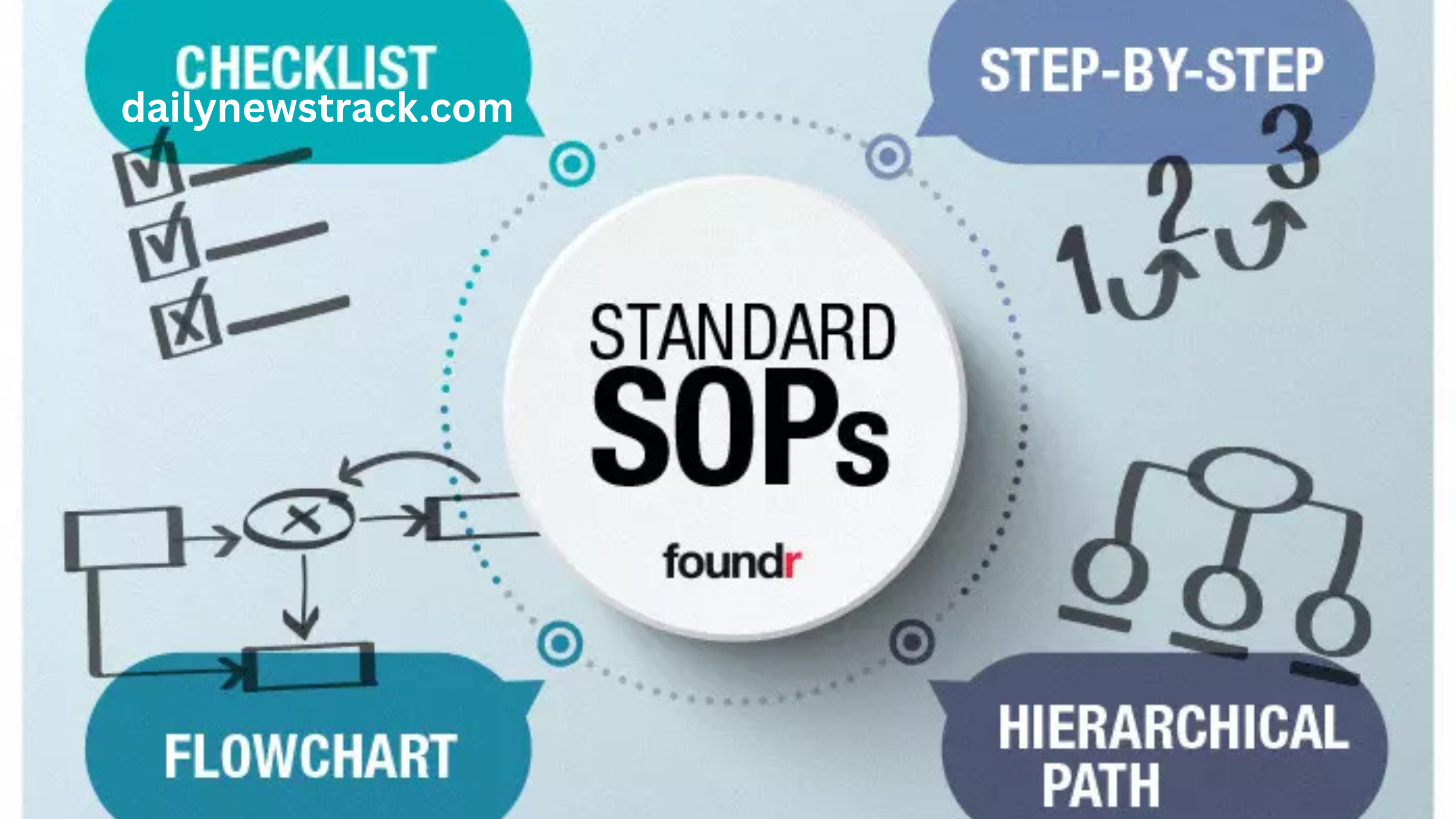
In any organization—whether it’s a business, hospital, government agency, or manufacturing plant—consistency, efficiency, and safety are key to long-term success. One of the most effective ways to ensure these goals are met is by implementing Standard Operating Protocols (SOPs). This comprehensive guide explores the full scope of SOPs—what they are, why they matter, how to create and implement them, and how they can transform your operations.
What Is a Standard Operating Protocol?
A Standard Operating Protocol (SOP) is a documented procedure that outlines the steps necessary to complete a specific task according to industry regulations, internal standards, or best practices. SOPs are designed to ensure consistency, maintain quality, and reduce errors in repetitive tasks.
SOPs go by many names, including:
- Standard Operating Procedures
- Operational Guidelines
- Work Instructions
- Protocols
They are commonly used in sectors such as:
- Healthcare
- Manufacturing
- Pharmaceuticals
- Military and Law Enforcement
- Aviation
- Corporate Business
Why SOPs Matter: Key Benefits
Consistency and Standardization
SOPs ensure that tasks are carried out the same way every time, regardless of who performs them. This minimizes variability and promotes reliable outcomes.
Compliance and Safety
Industries often face strict regulations. SOPs help organizations remain compliant with industry and legal standards, such as FDA rules, ISO certifications, and workplace safety guidelines.
Efficiency and Productivity
With clear instructions, employees can perform tasks more efficiently, reducing the time spent on trial and error.
Training and Onboarding
SOPs act as training tools, enabling new hires to get up to speed quickly without needing constant supervision.
Risk Management
By outlining safety protocols and emergency procedures, SOPs reduce the chances of accidents and help mitigate risks.
Quality Assurance
Standardized processes help maintain product and service quality, ensuring customer satisfaction and brand reputation.
Common Types of SOPs
Administrative SOPs
These focus on clerical, HR, and managerial tasks like documentation, payroll, or internal communications.
Operational SOPs
These outline the steps involved in core processes like production, customer service, logistics, or maintenance.
Safety SOPs
These provide guidance on handling emergencies, using protective gear, and managing workplace hazards.
Technical SOPs
Designed for experts, these SOPs contain instructions for using machinery, equipment, or software.
Quality Control SOPs
These ensure that inspections, testing, and audits are performed consistently to maintain quality standards.
Components of an Effective SOP
A well-structured SOP typically includes the following sections:
Title and Identification
Clearly state the purpose and provide a unique identifier or reference code.
Objective
Explain the goal of the SOP and what the process aims to achieve.
Scope
Define where the SOP applies, which departments or processes it covers, and any exclusions.
Responsibilities
Specify who is responsible for performing, supervising, and reviewing the procedure.
Materials and Equipment
List all necessary tools, software, or equipment required to complete the task.
Procedure
Describe each step in a logical, detailed, and easy-to-follow manner.
Health and Safety Warnings
Mention any hazards and include safety precautions to be followed.
References
Include any external documents, manuals, or regulations that support the procedure.
Approval and Review
Mention who authorized the SOP and how often it will be reviewed or updated.
How to Create a Standard Operating Protocol
Identify the Task
Determine which processes need documentation. Focus on critical, frequent, or risky operations.
Gather Input
Involve employees who are directly responsible for the task. Their practical insights are essential for accuracy.
Outline the Steps
Break down the task into clear and logical steps. Use bullet points or numbered lists to keep it organized (if helpful).
Use Clear Language
Avoid jargon unless it’s industry-specific. Aim for clarity, precision, and simplicity.
Include Visuals
Use diagrams, charts, screenshots, or flowcharts when necessary to enhance understanding.
Assign Roles and Responsibilities
Clarify who does what. This avoids confusion and ensures accountability.
Review and Test
Pilot the SOP with a small group to see if it works as intended. Revise it based on feedback.
Approve and Distribute
Have management approve the SOP and then distribute it to all relevant teams or departments.
Train Employees
Don’t assume that distribution equals implementation. Provide training sessions to ensure everyone understands and follows the SOP.
Monitor and Update
SOPs must evolve with the business. Review them regularly to keep them up to date with technology, policy, and workflow changes.
Implementing SOPs Effectively
Start with Priority Areas
Focus on high-risk or high-impact procedures first. Gradually expand to cover all necessary functions.
Digital Tools and Software
Use SOP management software or document systems for easy creation, sharing, and tracking.
Encourage a Culture of Compliance
Ensure employees understand the value of SOPs and are committed to following them.
Embed SOPs into Daily Operations
Incorporate SOPs into daily routines, performance evaluations, and training programs.
Audit and Evaluate
Use performance metrics, audits, and employee feedback to measure the SOP’s effectiveness.
Common Mistakes to Avoid
Writing Too Vaguely
Unclear steps lead to inconsistent execution. Always be specific and descriptive.
Making It Too Complex
Overloading the SOP with unnecessary details can overwhelm the user. Keep it concise and purposeful.
Ignoring User Feedback
Employees are the end-users. Failing to incorporate their suggestions can limit SOP effectiveness.
Letting SOPs Become Outdated
An outdated SOP can be as dangerous as having none at all. Keep them current.
Not Tracking Revisions
Without a revision log, it’s hard to know which version is current. Always record changes and approval dates.
SOP Templates and Tools
Creating SOPs from scratch can be time-consuming. Using templates and software tools can help speed up the process. Here are some useful tools:
- Google Docs / Microsoft Word: For writing and sharing basic SOPs
- Lucidchart / Miro: For flowcharts and diagrams
- Trello / Asana: For assigning SOP steps to team members
- Notion / Confluence: For centralizing SOPs in a knowledge base
- SweetProcess / Process Street / Tallyfy: Specialized SOP management platforms
SOP Examples by Industry
Healthcare
Procedure: Patient admission
Steps include: Identity verification, medical history intake, consent form signing, and room assignment.
Manufacturing
Procedure: Equipment shutdown
Steps include: Power off the machine, disconnect power source, clean equipment, and log maintenance.
Retail
Procedure: Customer returns
Steps include: Validate receipt, inspect item, process refund, and update inventory.
IT Support
Procedure: Password reset
Steps include: Verify user identity, initiate reset process, confirm new credentials, and document resolution.
SOP and Regulatory Compliance
Organizations in regulated industries often need SOPs to meet compliance standards, including:
- ISO 9001: For quality management systems
- GMP (Good Manufacturing Practices): For pharmaceuticals and food production
- HIPAA: For healthcare privacy and security
- OSHA: For occupational safety
- FDA: For drugs, food, and medical devices
Failure to comply can result in penalties, lawsuits, or reputational damage. SOPs play a critical role in proving that proper procedures are followed.
Future Trends in SOPs
Digital SOPs
Traditional paper-based SOPs are being replaced by cloud-based, interactive SOPs accessible on mobile devices.
AI-Powered Workflows
Artificial intelligence is helping automate routine SOPs and recommend improvements through data analysis.
Video SOPs
Video instructions are becoming popular for training, especially in technical and hands-on fields.
Real-Time SOP Updates
With cloud integration, updates can be pushed instantly to all users, reducing reliance on outdated versions.
Frequently Asked Questions
What’s the difference between SOP and a protocol?
They are often used interchangeably, but a protocol typically applies to specific fields like healthcare or research and may be more rigidly structured.
How long should an SOP be?
As long as needed to ensure clarity. Some are a few pages, others are booklets—length depends on task complexity.
Who should write SOPs?
Ideally, someone familiar with the task and process, such as a department manager, in collaboration with frontline staff.
How often should SOPs be updated?
At least annually or whenever there’s a significant change in equipment, policy, or regulatory requirements.
Should SOPs be mandatory?
Yes. To be effective, SOPs should be enforced and integrated into the organization’s operations and training.
Conclusion
Standard Operating Protocols are more than just documents—they are the backbone of consistency, safety, and quality in any organization. Whether you’re in healthcare, business, education, or industry, having clear and actionable SOPs ensures that everyone performs their roles correctly and efficiently.